
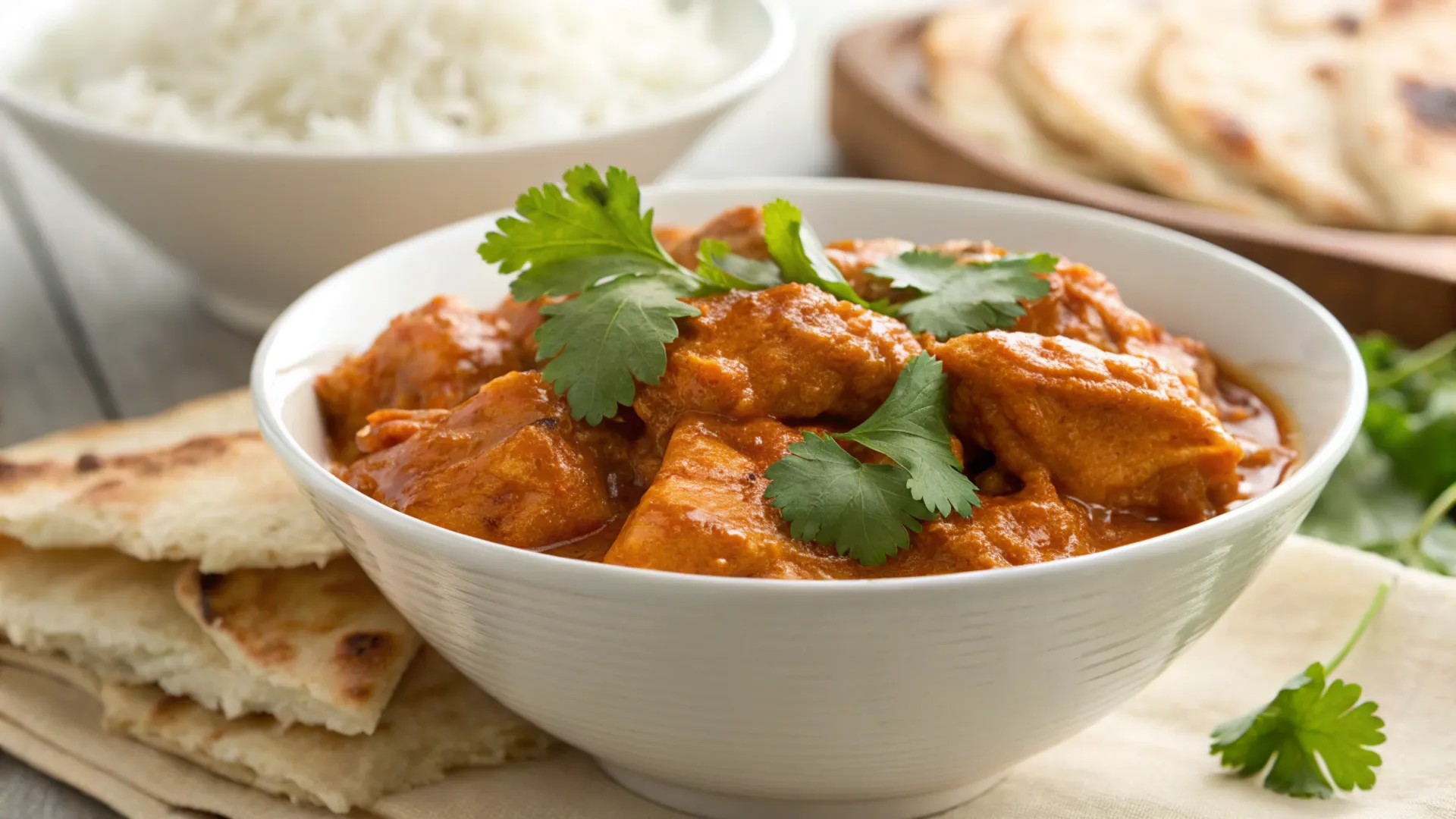
Deliciously Simple Indian Chicken Recipes You HAVE To Try [GUIDE]
Ever found yourself dreaming of those rich, aromatic, and utterly comforting Indian chicken dishes you’ve savored at your favorite restaurant? Perhaps you’ve thought, “Oh, I could never make that at home!” Well, what if I told you that bringing the magic of Indian chicken recipes into your own kitchen is not only possible but also surprisingly straightforward and incredibly rewarding? Forget complicated techniques and impossible-to-find ingredients; we’re about to embark on a culinary journey that will demystify these beloved classics. Get ready to transform simple chicken into a masterpiece that will have your taste buds singing!
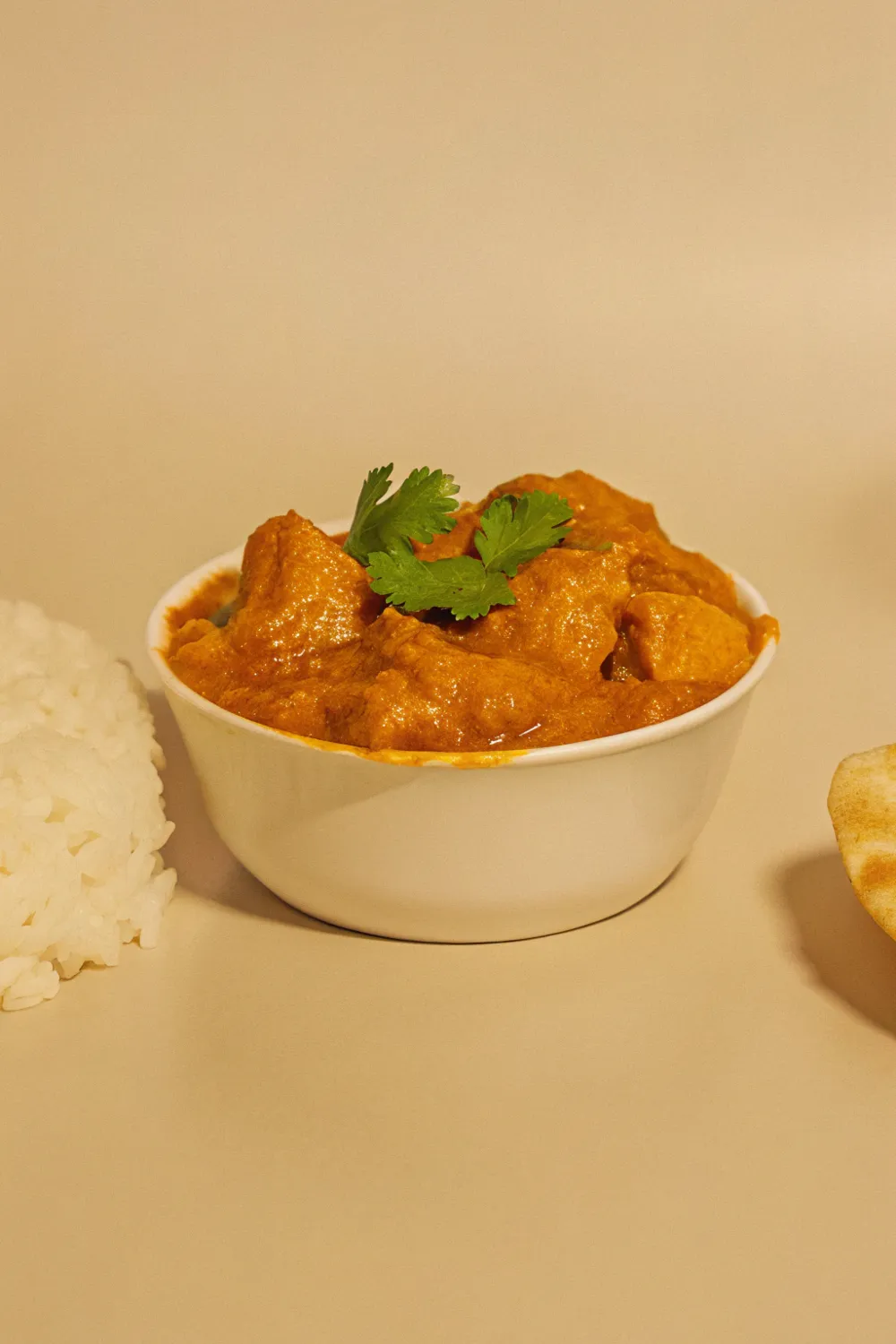
I remember my first foray into cooking Indian food. I was a bit intimidated, wasn’t I? The long lists of spices, the unfamiliar names – it all seemed like a secret code. But bit by bit, with a little guidance and a lot of delicious experimentation, I discovered that the heart of Indian cooking lies in understanding a few key principles and, most importantly, embracing the joy of flavor. And that’s exactly what I want to share with you. We’re not just talking about following a recipe; we’re talking about unlocking a new level of confidence in your cooking, creating meals that are vibrant, nourishing, and packed with stories. So, are you ready to spice things up?
Why You’ll Fall in Love with These Indian Chicken Recipes
Let’s be honest, who doesn’t want their meals to be an event? Indian chicken recipes aren’t just food; they’re an experience. From the moment the spices hit the pan and their fragrance fills your home, to that first incredible spoonful, it’s a journey for the senses.
- A Symphony of Flavors in Every Bite The magic of Indian chicken recipes lies in their incredible depth of flavor. It’s not just about heat; it’s a complex dance of spices – earthy cumin, warm coriander, vibrant turmeric, fragrant garam masala, and perhaps a touch of fiery chili – all coming together in perfect harmony. Think about the creamy richness of a Korma, the tangy zest of a Tikka Masala, or the robust comfort of a homestyle chicken curry. Each dish tells a unique story, a testament to centuries of culinary tradition. You’ll discover layers of taste that unfold with each mouthful, making every bite an adventure. It’s like a well-conducted orchestra where every instrument, or in this case, spice, plays its part beautifully. What I find truly captivating is how these flavors manage to be both bold and comforting simultaneously. It’s food that warms you from the inside out, perfect for a cozy night in or a celebratory meal with loved ones. Have you ever noticed how a good Indian dish can lift your spirits? That’s the power of well-balanced spices and fresh ingredients working their magic. These aren’t just recipes; they’re mood boosters on a plate!
- Surprisingly Simple, Seriously Satisfying Now, I know what some of you might be thinking: “Indian cooking sounds complicated!” It’s a common misconception, but I’m here to tell you that many spectacular Indian chicken recipes are well within the reach of home cooks, even if you’re just starting out. We’re not aiming for Michelin-star complexity here; we’re aiming for authentic, achievable, and utterly delicious results. Many dishes follow a basic pattern: bloom your spices, sauté your aromatics (like onions, ginger, and garlic), cook your chicken, and build your sauce. Doesn’t that sound manageable? The key is often in the preparation – having your ingredients ready to go (what the French call “mise en place”) makes the cooking process smooth and enjoyable. Once you get the hang of a few basic techniques, you’ll find yourself whipping up impressive Indian chicken dishes with surprising ease. And the satisfaction? Oh, it’s immense! There’s nothing quite like the pride of serving a homemade Indian feast that tastes as good, if not better, than your favorite takeout. You made that!
Your Pantry Toolkit: Essential Ingredients for Authentic Indian Chicken Recipes
The heart of any great Indian chicken recipe is, without a doubt, its ingredients. While the list might seem long at first glance for some dishes, many of these are pantry staples or spices that, once you have them, will open up a world of culinary possibilities. Let’s break down what you’ll typically need.
- The Spice Trinity & Friends If you’re serious about cooking Indian food, investing in a few key spices is non-negotiable. These are the workhorses that provide the signature aromas and tastes. Think of them as your artists’ palette for flavor!
- Turmeric Powder (Haldi): Provides a beautiful golden color and an earthy, slightly bitter flavor. It’s also known for its health benefits!
- Cumin Seeds or Powder (Jeera): Offers a warm, earthy, and slightly pungent flavor. Whole seeds are often toasted first to release their aroma.
- Coriander Powder (Dhania): Mild, citrusy, and slightly sweet, it balances other spices beautifully.
- Garam Masala: This is a blend of warming spices, and its composition can vary. Common ingredients include cinnamon, cloves, cardamom, black pepper, and nutmeg. It’s often added towards the end of cooking.
- Red Chili Powder (Lal Mirch): For heat! Use Kashmiri chili powder for a vibrant red color and milder heat, or a hotter variety if you like it fiery. Adjust to your preference.
- Ginger (Adrak): Fresh ginger, usually grated or minced, adds a pungent, warming kick.
- Garlic (Lehsun): Like ginger, fresh garlic is essential for its aromatic punch.
- Green Cardamom Pods (Elaichi): Sweet and intensely aromatic, fantastic in creamy or richer dishes.
- Cloves (Laung): Warm, sweet, and pungent. Use sparingly as they can be overpowering.
- Cinnamon Sticks (Dalchini): Adds a warm, woody sweetness, especially good in rice dishes and some curries.
- Beyond the Spices: Core Components While spices are crucial, you’ll also need some other key players to bring your Indian chicken recipes to life. These ingredients form the body and soul of your dishes.
- Chicken: Obviously! Boneless, skinless chicken thighs are fantastic for curries as they remain tender and juicy. Breasts work too but require more careful cooking to avoid drying out. Bone-in pieces add even more flavor.
- Onions: The foundation of most Indian savory dishes. Usually finely chopped or blended into a paste.
- Tomatoes: Provide acidity and body to sauces. Fresh tomatoes, canned diced tomatoes, or tomato puree all have their place.
- Yogurt (Dahi): Used in marinades to tenderize chicken and in sauces to add creaminess and tang. Plain, unsweetened yogurt is best.
- Cooking Oil or Ghee: Vegetable oil, sunflower oil, or grapeseed oil are common. Ghee (clarified butter) adds a distinctive rich, nutty flavor.
- Fresh Cilantro (Hara Dhania): Used generously as a garnish for a burst of fresh, citrusy flavor.
- Lemon or Lime Juice: A squeeze at the end can brighten up the flavors of a dish.
- Green Chilies (Hari Mirch): For fresh heat and flavor, slit or chopped. Amount depends on your spice tolerance!
Ingredients Notes
Getting the best out of your ingredients can make a huge difference. Here are a few pointers:
- Spice Freshness: Spices lose their potency over time. Try to buy whole spices when you can and grind them yourself for the best flavor. If buying ground, get them in small quantities from a reputable source. Store them in airtight containers away from heat and light. Can you smell their aroma strongly? That’s a good sign!
- Ginger-Garlic Paste: Many recipes call for ginger-garlic paste. You can buy it pre-made, but making it fresh is super easy – just blend equal parts fresh ginger and garlic with a tiny bit of water into a smooth paste. The flavor is far superior!
- Choosing Your Chicken: For dishes like Butter Chicken or Korma, chicken thighs are your best friend as they cook beautifully in sauces without drying out. For tandoori-style or grilled recipes, chicken breast marinated well can be delicious. Always opt for good quality chicken.
- Tomato Talk: For a smooth sauce, pureed tomatoes (passata) or blended canned tomatoes work wonderfully. If you like a bit more texture, finely diced fresh tomatoes are great. The type of tomato can subtly change the character of your gravy.
- Yogurt Wisdom: When adding yogurt to a hot sauce, whisk it well and either temper it by adding a little of the hot sauce to the yogurt first, or lower the heat significantly to prevent it from curdling. Full-fat yogurt generally behaves better.
- Ghee vs. Oil: Ghee adds an undeniable richness and authentic flavor to many Indian dishes. However, if you don’t have it or prefer not to use it, a neutral cooking oil is perfectly fine. Sometimes, a combination is used!
Let’s Get Cooking! Mastering Your Indian Chicken Recipe
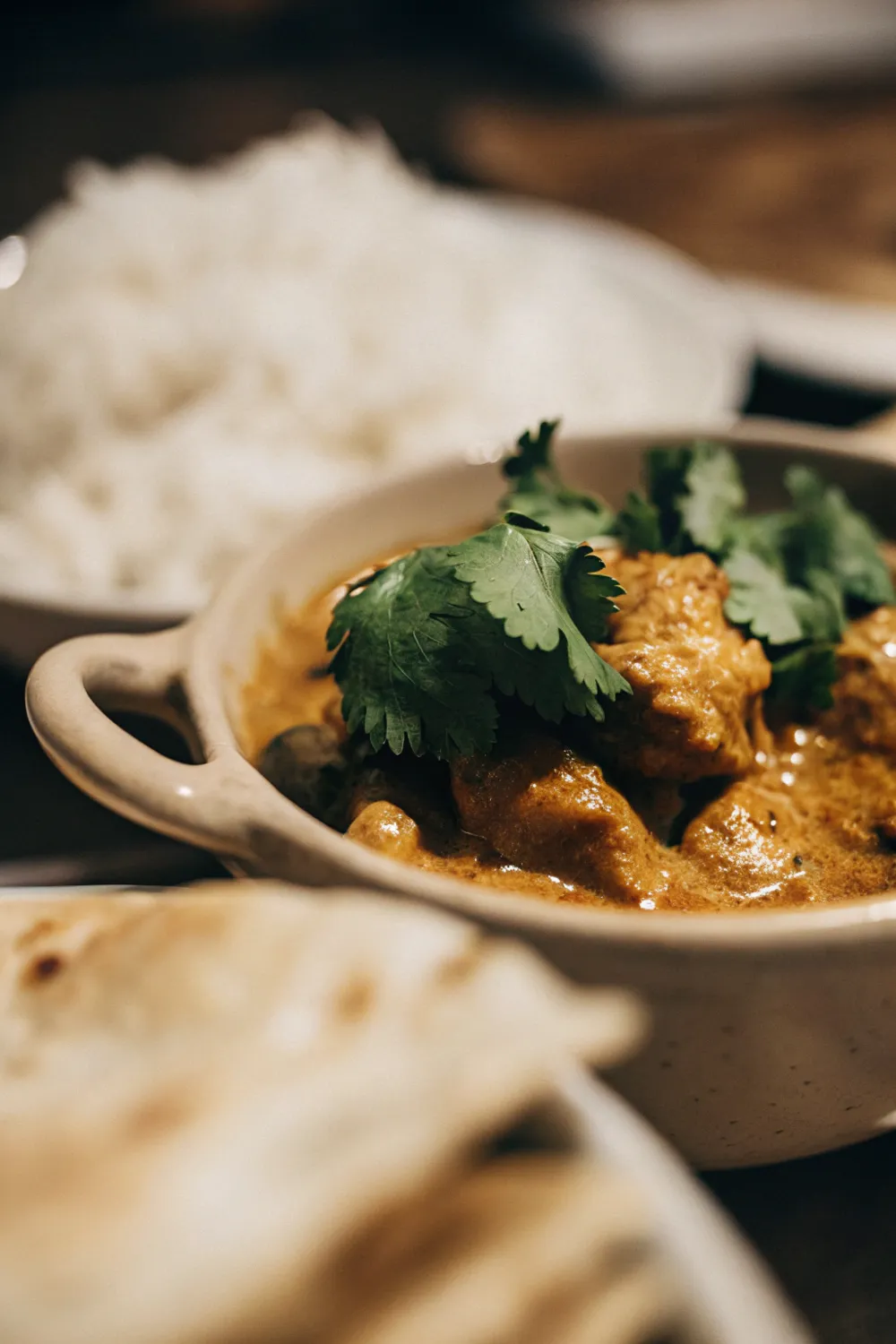
Alright, theory time is over – let’s get to the fun part! While there are countless Indian chicken recipes, many share common foundational techniques. We’ll walk through a general approach, using an easy Butter Chicken style as our main example because, let’s face it, who doesn’t love Butter Chicken?
- The Foundational Steps to Flavor Heaven (Example: Easy Butter Chicken Style) This simplified version captures the essence of the beloved classic without being overly complicated. Remember, cooking is an art, so feel free to adjust seasonings as you go!
- Marinate the Chicken (The Flavor Soak):
- Cut about 1.5 lbs (700g) of boneless, skinless chicken thighs (or breast) into 1.5-inch pieces.
- In a bowl, combine the chicken with: 1/2 cup plain yogurt, 1 tablespoon ginger-garlic paste, 1 teaspoon turmeric powder, 1 teaspoon red chili powder (Kashmiri for color), 1 teaspoon garam masala, 1/2 teaspoon salt, and 1 tablespoon lemon juice.
- Mix well, ensuring every piece is coated. Cover and refrigerate for at least 30 minutes, or ideally 2-4 hours (even overnight is great!). This step is crucial – it’s where the chicken gets tender and starts absorbing all those lovely flavors. Think of it as a spa day for your chicken!
- Cook the Chicken (Sizzle and Sear):
- Heat 1-2 tablespoons of oil or ghee in a large, heavy-bottomed pan or Dutch oven over medium-high heat.
- Remove chicken from the marinade, letting excess drip off (reserve the marinade for now if you like a thicker sauce, though many discard it for a purer butter chicken).
- Cook the chicken in batches, being careful not to overcrowd the pan. You want to get a nice sear and light browning on all sides, about 5-7 minutes per batch. It doesn’t need to be cooked through at this stage.
- Remove the chicken from the pan and set aside. Those browned bits left in the pan? That’s pure flavor gold!
- Build the Magical Makhani Sauce (The Heart of the Dish):
- To the same pan, add another tablespoon of oil or a knob of butter if needed. Reduce heat to medium.
- Add 1 large finely chopped onion and sauté until softened and translucent, about 5-7 minutes. Don’t rush this; sweet, soft onions are key.
- Stir in 1 tablespoon ginger-garlic paste and cook for another minute until fragrant. Can you smell that? Amazing!
- Add your spices: 1 teaspoon ground coriander, 1 teaspoon ground cumin, 1/2 teaspoon turmeric powder, and 1/2 teaspoon red chili powder (or to taste). Cook for about 30-60 seconds, stirring constantly, until fragrant. This is called “blooming” the spices.
- Stir in one 14oz (400g) can of crushed tomatoes or tomato puree. Add 1/2 cup of water or chicken broth, and 1/2 teaspoon of salt. Bring to a simmer.
- For that classic creamy texture (optional but recommended for Butter Chicken): You can add about 1/4 to 1/2 cup of cashew nuts (soaked in hot water for 30 mins then drained) to the sauce now. Let it simmer for 10-15 minutes, then carefully transfer the sauce to a blender and blend until completely smooth. Return the smooth sauce to the pan. (Alternatively, for a quicker version, skip cashews and blending, and rely on cream later).
- Unite Chicken and Sauce (The Grand Finale):
- Add the cooked chicken pieces back into the simmering sauce. Stir to coat.
- Cover and let it simmer gently for 10-15 minutes, or until the chicken is cooked through and tender, and the sauce has thickened slightly. If it gets too thick, add a splash of water or broth.
- Stir in 1/4 to 1/2 cup of heavy cream (or coconut cream for a dairy-free alternative) and 1 teaspoon of garam masala. A traditional touch for Butter Chicken is a teaspoon of dried fenugreek leaves (Kasuri Methi), crushed between your palms – it adds a unique, savory aroma. Add a touch of sugar (1-2 teaspoons) to balance the tanginess if needed.
- Simmer for just another 2-3 minutes. Taste and adjust salt or other seasonings. A final knob of butter stirred in at the end makes it truly “buttery.”
- Garnish generously with fresh chopped cilantro. Serve hot with naan bread, roti, or basmati rice. Doesn’t that look incredible?
- Marinate the Chicken (The Flavor Soak):
- Pro Tips from My Kitchen to Yours Over the years, I’ve picked up a few tricks that can elevate your Indian chicken dishes from good to “Wow, did you really make this?!”
- Toast Whole Spices: If a recipe calls for whole spices like cumin seeds, cardamom pods, or cloves, briefly toasting them in a dry pan over medium heat until fragrant before grinding or adding them to oil really awakens their flavors. It’s like giving them a little pep talk!
- The Art of Bhunao: This Hindi term refers to the process of sautéing spices and aromatics until the oil separates. It’s a crucial step in developing deep, complex flavors. Don’t rush the sautéing of onions, ginger, garlic, and ground spices. Low and slow often wins the race here.
- Don’t Fear the Brown Bits: Those browned bits (fond) that stick to the bottom of the pan after searing meat or sautéing onions are packed with flavor. Deglaze the pan with a little water, broth, or tomato juice to lift them up and incorporate them into your sauce. It’s like a secret flavor booster!
- Fresh is Often Best: While ground spices are convenient, fresh ingredients like ginger, garlic, and cilantro make a world of difference. If you can, grind spices like cumin and coriander fresh for an unparalleled aroma.
- Taste and Adjust: Recipes are guidelines, not rigid rules. Your ingredients (freshness of spices, acidity of tomatoes, etc.) can vary. Always taste your dish towards the end of cooking and adjust seasonings – salt, chili, lemon juice, or sugar – to achieve the perfect balance for your palate. Is it tangy enough? Does it need more warmth? You’re the chef!
- Resting an Indian Curry: Like many stews and braises, Indian curries often taste even better the next day! The flavors meld and deepen over time. So, if you have leftovers, you’re in for a treat.
Keeping the Goodness Going & Making It Your Own
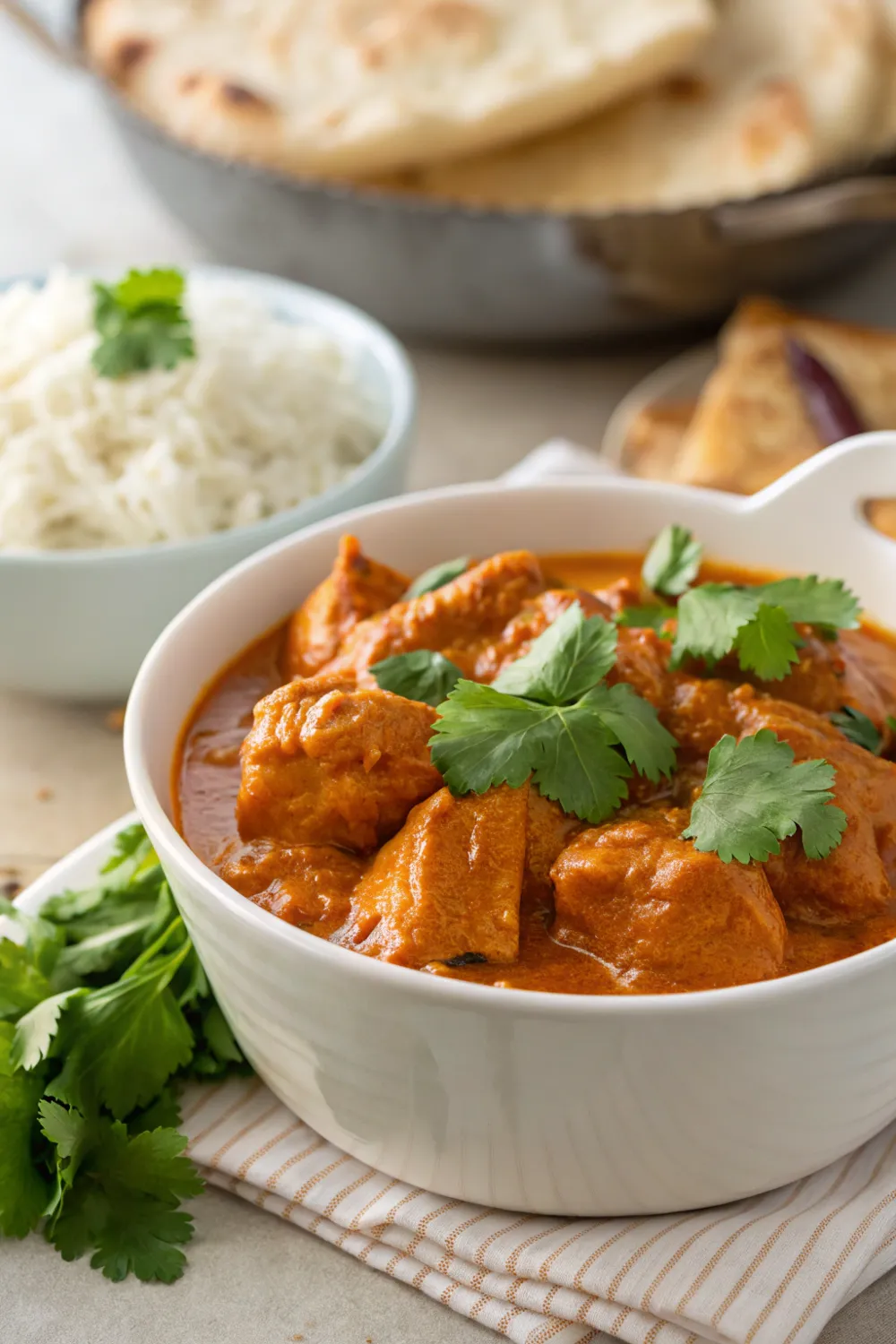
So you’ve cooked up a storm, and your kitchen smells divine. What about leftovers? And what if you want to experiment a bit next time? Let’s cover that.
- Storing Your Culinary Creations Proper storage ensures your delicious Indian chicken recipes stay fresh and tasty for as long as possible. Generally, cooked chicken curries are quite robust and store well.
- Refrigeration: Allow your cooked Indian chicken dish to cool down to room temperature (but don’t leave it out for more than 2 hours). Then, transfer it to an airtight container. It will keep well in the refrigerator for 3-4 days. As mentioned, the flavors often improve by the next day!
- Freezing: Most Indian chicken curries freeze beautifully, especially those with tomato-based or creamy (but not yogurt-heavy, as yogurt can sometimes separate) sauces. Cool the dish completely, then transfer it to freezer-safe containers or heavy-duty freezer bags. Try to remove as much air as possible. It can be frozen for up to 2-3 months for best quality.
- Reheating: To reheat, thaw frozen curry in the refrigerator overnight. Reheat gently on the stovetop over medium-low heat, stirring occasionally, until heated through. You might need to add a splash of water or broth if the sauce has thickened too much. Alternatively, you can microwave it, covering the dish to prevent splatters. Ensure the chicken is piping hot before serving. Avoid re-freezing previously frozen and thawed dishes.
- Twists and Turns: Variations & Smart Swaps Once you’re comfortable with a base recipe, the world of Indian chicken is your oyster! Don’t be afraid to experiment and make dishes your own. That’s how new family favorites are born, right?
- Protein Power-Up: While we’re focusing on chicken, many of these base sauces work wonderfully with other proteins. Try lamb, beef (for non-Hindu Indian-style dishes), fish (adjust cooking time), paneer (Indian cheese) for a vegetarian delight, or even chickpeas and lentils for a hearty vegan option.
- Vegetable Boost: Bulk up your chicken curries with vegetables! Potatoes, carrots, peas, bell peppers, spinach, cauliflower, or green beans can be added. Add firmer vegetables earlier in the cooking process and softer ones, like spinach, towards the end.
- Spice Level Control: You are the master of the heat! Adjust the amount of red chili powder, fresh green chilies, or even add a pinch of cayenne pepper to your liking. Conversely, if you prefer mild, reduce or omit the chili altogether. Kashmiri chili powder gives great color without too much heat.
- Creaminess Variations: For creamy sauces like Butter Chicken or Korma:
- Dairy-Free: Full-fat coconut milk or coconut cream is an excellent substitute for heavy cream. Cashew cream (soaked cashews blended with water) also works beautifully.
- Lighter Option: Evaporated milk can be used for a less rich but still creamy texture. For some dishes, a thicker yogurt (stirred in carefully off-heat) can work.
- Tang Factor: If your tomatoes aren’t very tangy, a little extra lemon juice or a touch of tamarind paste (use sparingly, it’s potent!) can brighten the flavors.
- Nutty Nuances: Ground almonds or cashews are often used to thicken sauces and add richness, particularly in Kormas or Pasandas. Toast them lightly before grinding for enhanced flavor.
- Finishing Touches: Don’t underestimate the power of a good garnish. Besides fresh cilantro, consider a swirl of cream, a sprinkle of toasted nuts, or some fresh ginger juliennes.
FAQ
- Q1: What’s the difference between Chicken Tikka Masala and Butter Chicken?
- A1: It’s a common question! While both are creamy, orange-hued, and delicious, Chicken Tikka Masala generally has a more pronounced tomato flavor with a bit more spice and tang, often from bell peppers or a stronger spice mix. Butter Chicken (Murgh Makhani) is typically milder, richer, and, well, more buttery, with a smoother, sweeter tomato-cream sauce, often with fenugreek (Kasuri Methi) as a key aromatic. The chicken in Tikka Masala is traditionally tandoor-cooked tikka (marinated, skewered, and grilled), while Butter Chicken’s origins involve tandoori chicken simmered in a makhani sauce. However, home-style versions often simplify these distinctions.
- Q2: My spices don’t taste very flavorful. What am I doing wrong?
- A2: This usually boils down to spice freshness or how they’re being used. Spices lose their aromatic oils and potency over time. Buy ground spices in small quantities and store them in airtight containers away from heat, light, and moisture. For maximum flavor, try buying whole spices and grinding them yourself just before use. Also, ensure you’re “blooming” your ground spices – briefly frying them in oil or ghee at the start of the cooking process – to release their essential oils. This makes a huge difference!
- Q3: Can I make these Indian chicken recipes dairy-free?
- A3: Absolutely! For marinades using yogurt, you can substitute with a plant-based plain yogurt (like coconut or soy yogurt). For creamy sauces that call for heavy cream or yogurt, full-fat coconut milk or coconut cream are fantastic dairy-free alternatives that complement Indian flavors beautifully. Cashew cream (soaked cashews blended with water) is another excellent option for richness. And of course, use oil instead of ghee.
- Q4: What’s the best type of chicken to use for Indian curries?
- A4: Boneless, skinless chicken thighs are often preferred for curries because they remain moist and tender even with longer simmering times. They have a bit more fat, which adds flavor. Chicken breast can also be used, but it’s leaner and can dry out more easily, so be careful not to overcook it. For recipes like Tandoori Chicken or Chicken Tikka (the grilled pieces), both breast and thigh meat work well when marinated properly. Bone-in, skin-on pieces can also add a lot of flavor to stews and more rustic curries.
- Q5: My curry is too spicy! How can I tone it down?
- A5: Don’t panic, there are a few ways to rescue an overly spicy curry! Adding more dairy (if the recipe suits) like a dollop of plain yogurt, a splash of cream, or coconut milk can help mellow the heat. A bit of sugar or honey can also balance spiciness. Adding more of the base ingredients like tomato, onion, or some cooked potato can dilute the heat. Finally, serving it with plenty of plain rice or naan, and a side of raita (yogurt with cucumber and mint) can help your palate manage the spice. For next time, reduce the amount of chili powder or fresh chilies, and remember you can always add more, but it’s harder to take away!
Conclusion
Well, there you have it – your passport to creating incredibly flavorful and satisfying Indian chicken recipes right in your own kitchen! We’ve journeyed from understanding the essential spices and ingredients to mastering the foundational cooking steps and even exploring ways to store your creations and make them uniquely yours. Remember, cooking Indian food isn’t about rigid rules; it’s about embracing the process, trusting your taste buds, and having fun with those amazing aromas and flavors.
I truly believe that anyone can learn to cook delicious Indian chicken dishes. It might seem like a whole new world at first, but with a little practice and these tips, you’ll be surprising yourself (and your lucky guests!) in no time. So, pick a recipe, gather your ingredients, and get ready to fill your home with the irresistible scents of India. Happy cooking, and I can’t wait to hear about the amazing dishes you create! What will you try first?





Leave a Comment