
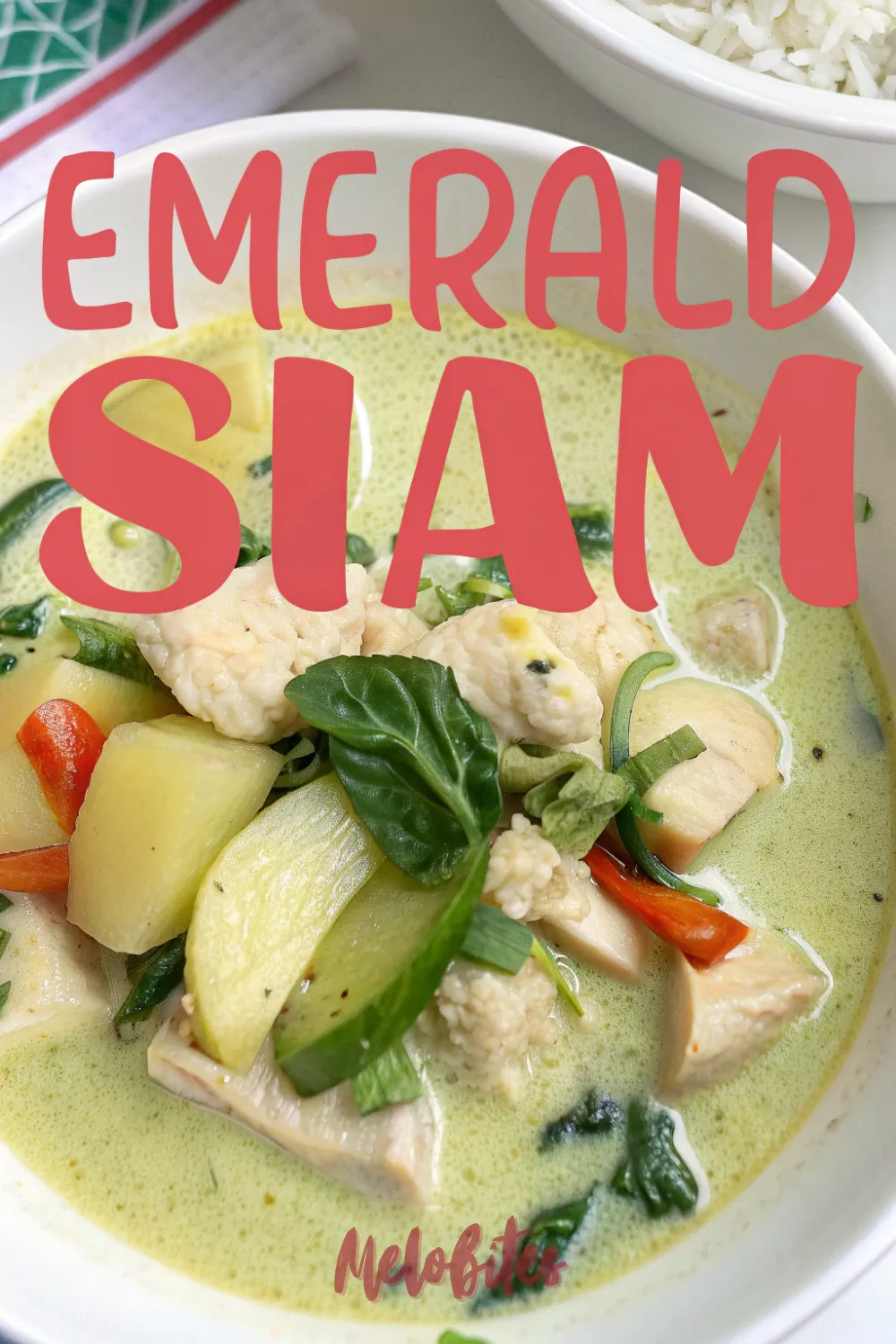
Have you ever experienced a dish so vibrant and aromatic that it transports you to another place? That’s the power of a truly great Thai green curry, a kaleidoscope of flavors that dance on your tongue. It’s a culinary masterpiece that perfectly balances spicy, sweet, savory, and fragrant notes in every single spoonful.
Forget those disappointing, watered-down curries you might have had from takeout. Today, we’re creating the real deal right in your kitchen, and I promise it’s easier than you think. This recipe is your key to unlocking a dish that is as nourishing for the body as it is exciting for the palate.
Crafting an Authentic Thai Green Curry Chicken Recipe
The soul of any Thai green curry chicken recipe lies in its perfect harmony of ingredients. It isn’t just about heat; it’s a complex layering of lemongrass, galangal, kaffir lime, and fresh green chilies. This combination creates a bright, aromatic base that is both invigorating and deeply comforting.
Think of this curry as a story told through flavor, with each component adding a new chapter. The tender chicken, the crisp vegetables, and the rich coconut milk all come together to support the star of the show: the fragrant green curry paste. We are building more than a meal; we’re crafting an experience.
Why Homemade Curry Paste is a Game-Changer for Healthy Eating
While store-bought pastes are convenient, a homemade curry paste elevates your dish from good to absolutely unforgettable. You have complete control over the ingredients, allowing you to adjust the spice level and freshness to your exact preference. This is a crucial step for anyone serious about healthy eating, as you can avoid the preservatives and excess sodium found in many commercial brands.
Making your own paste is like grinding your own coffee beans instead of using instant; the difference in aroma and depth of flavor is simply astounding. It fills your kitchen with the most incredible fragrance, a preview of the delicious meal to come. Plus, you can make a big batch and freeze it for future high-quality, low-cost meals.
How to Make Thai Curry Spicy But Not Too Hot
The ultimate question for many is how to make Thai curry spicy but not too hot. The secret is all about managing the chilies and balancing them with cooling elements like rich coconut cream. You are the conductor of this flavor orchestra, and you decide how fiery the crescendo will be.
To control the heat, start with a smaller amount of curry paste and you can always add more later. If you’re making your own paste, removing the seeds from the green chilies will significantly reduce their heat while preserving their fruity flavor. Remember, you can also temper the spiciness at the end by swirling in an extra splash of coconut milk or a squeeze of lime juice.
Why You’ll Love This Thai Green Curry
First, the sheer explosion of fresh, authentic flavor is unlike anything else. It’s a clean, bright curry that doesn’t feel heavy, thanks to the infusion of fresh herbs and aromatics. This dish will make you feel like a professional chef in your own home.
Second, it’s incredibly quick to put together, making it a perfect option for a healthy weeknight dinner that feels special. Once you have your ingredients prepped, the curry comes together in less than 30 minutes. It’s a high-reward, low-effort meal that will become a staple in your recipe rotation.
Nutritional Benefits
This beautiful emerald curry is a powerhouse of nutrition. The chicken provides a solid foundation of lean protein, which is vital for building muscle and keeping you feeling full and satisfied. It’s a fantastic choice for a balanced and healthy meal.
The coconut milk, while rich, contains medium-chain triglycerides (MCTs) which are a source of energy. Furthermore, the curry is loaded with vegetables and spices like galangal and lemongrass, all of which are celebrated for their anti-inflammatory and antioxidant properties. This is truly food that makes you feel good from the inside out.
Full Recipe for Thai Green Curry Chicken Recipe
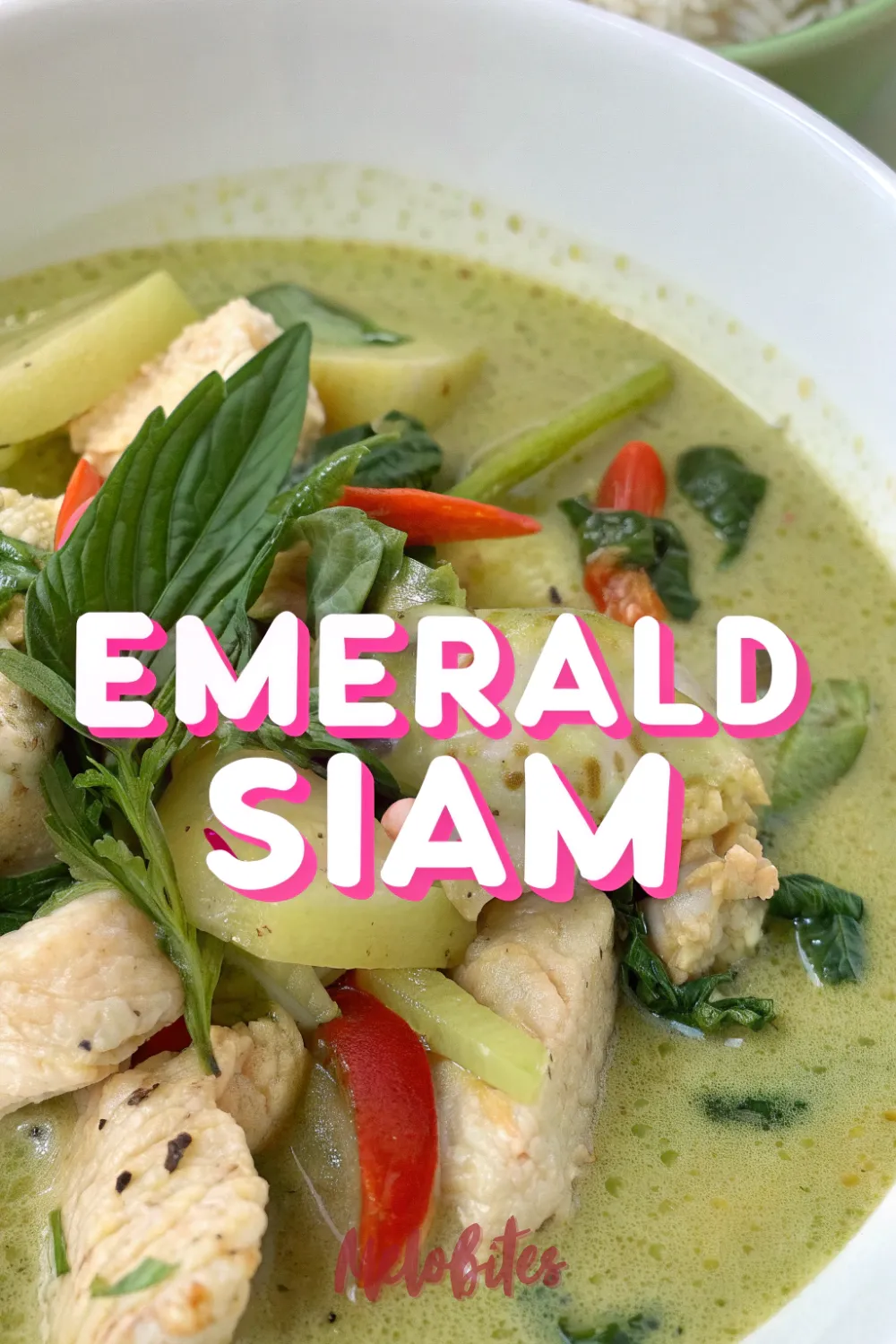
✨ Prep Time: 15 minutes | Cook Time: 25 minutes | Total Time: 40 minutes | Yield: 4 servings | Category: Main Course | Method: Simmer | Cuisine: Thai | Diet: Gluten-Free, Dairy-Free
Essential Ingredients for this Thai Green Curry Chicken Recipe
- 1.5 lbs (680g) boneless, skinless chicken breasts or thighs, cut into 1-inch pieces
- 1 tablespoon coconut oil
- 3-4 tablespoons green curry paste (store-bought or homemade)
- 1 (13.5 oz / 400ml) can full-fat coconut milk, unshaken
- 1/2 cup low-sodium chicken broth
- 1 red bell pepper, sliced
- 1 cup bamboo shoots, drained
- 4-5 kaffir lime leaves, torn
- 1 tablespoon fish sauce
- 1 tablespoon palm sugar or brown sugar
- 1 cup Thai basil leaves
- For serving: cooked jasmine rice, lime wedges, sliced red chili
Ingredients Notes
- Coconut Milk: Use full-fat, canned coconut milk for the best results. Don’t shake the can before opening; you’ll scoop the thick cream from the top to fry the curry paste, a key step for blooming the flavors. The best coconut milk for curry is one with minimal additives, like the Aroy-D or Chaokoh brands.
- Curry Paste: The quality of your curry paste is paramount. While homemade is best, a good quality store-bought brand like Mae Ploy can deliver excellent results. Be aware that spice levels vary greatly between brands, so start with less and add more to taste.
- Kaffir Lime Leaves & Thai Basil: These are not optional if you want an authentic flavor! Kaffir lime leaves add a unique citrusy aroma, and Thai basil has a distinct anise-like flavor that is very different from Italian basil. You can typically find them at Asian markets or specialty grocery stores.
How to Make this Thai Green Curry Chicken Recipe
- Bloom the Curry Paste: Open the can of coconut milk without shaking it. Scoop about 1/4 cup of the thick, solid cream from the top into a large skillet or wok over medium heat. Heat until it starts to bubble, then add the green curry paste and fry for 1-2 minutes, stirring constantly, until it’s very fragrant.
- Cook the Chicken: Add the chicken pieces to the skillet and stir to coat them in the fragrant paste. Cook for 5-7 minutes, until the chicken is lightly browned and sealed on all sides.
- Build the Curry: Pour in the remaining coconut milk from the can along with the chicken broth. Add the torn kaffir lime leaves, fish sauce, and palm sugar, stirring to combine. Bring the mixture to a gentle simmer.
- Add the Vegetables: Stir in the sliced red bell pepper and bamboo shoots. Continue to simmer for 10-15 minutes, or until the chicken is cooked through and the vegetables are tender-crisp.
- Finish with Basil: Remove the skillet from the heat and stir in the fresh Thai basil leaves. The residual heat will wilt them perfectly while preserving their vibrant color and aroma.
- Serve and Garnish: Ladle the curry into bowls over fluffy jasmine rice. Garnish with extra sliced chili for heat, fresh basil leaves, and a wedge of lime for a final burst of freshness.
Alternative Recipe: The Green Garden Curry (Vegan)
To create a vibrant vegan version, this recipe adapts beautifully. It maintains all the aromatic and complex flavors of the original, making it a satisfying meal for everyone. This plant-based curry is a testament to how flexible and accommodating Thai cuisine can be.
Simply swap the chicken for 1 block (14 oz) of extra-firm tofu, pressed and cubed. Use vegetable broth instead of chicken broth, and replace the fish sauce with 1.5 tablespoons of soy sauce or tamari. Follow all the same steps, adding the tofu at the same point you would the chicken, and you’ll have a stunning vegan green curry.
Storage Options
Leftover Thai green curry stores exceptionally well, and the flavors often meld and become even more delicious the next day. Once cooled, place the curry in an airtight container and refrigerate for up to 4 days. This makes it a fantastic option for healthy meal prep ideas.
You can reheat the curry gently in a pot on the stovetop over low heat until warmed through. Alternatively, you can microwave it in short bursts, stirring in between. The basil will lose its vibrancy upon reheating, so you can always add a few fresh leaves to brighten it up.
Variations and Substitutions
Feel free to customize this curry with your favorite vegetables. Green beans, broccoli florets, zucchini, or snow peas are all wonderful additions. Add quick-cooking vegetables towards the end of the simmering time to keep them crisp.
If you can’t find kaffir lime leaves, you can add the zest of one lime for a bit of citrusy brightness, though the flavor is not a perfect match. For the protein, shrimp is an excellent substitute for chicken; just add it in the last few minutes of cooking so it doesn’t overcook.
Practical & Valuable Tips
To get the most flavor out of your curry paste, always “fry” it in the thick coconut cream first. This process, called blooming, releases the aromatic oils in the spices and herbs, creating a much deeper and more complex flavor base for your curry. Do not skip this step!
Taste your curry before you serve it and adjust the seasonings. It might need a little more fish sauce for saltiness, more sugar for sweetness, or a squeeze of lime for acidity. Achieving that perfect balance is the true art of Thai cooking.
Finally, prep all your ingredients before you start cooking, a process known as “mise en place.” Thai cooking moves quickly, so having your chicken cut, vegetables sliced, and sauces measured will make the experience smooth and enjoyable.
Frequently Asked Questions
- Is Thai green curry supposed to be very spicy? Authentic Thai green curry is traditionally one of the spicier Thai curries because it’s made with fresh green bird’s eye chilies. However, when you make it at home, you are in complete control. You can easily adjust the amount of curry paste to match your personal heat preference.
- What’s the difference between green, red, and yellow curry? The primary difference is the type of chili used to make the paste. Green curry uses fresh green chilies for a bright, herbaceous heat. Red curry uses dried red chilies for a deeper, earthier spice, while yellow curry gets its color and milder flavor from turmeric and other spices.
- My curry seems thin. How can I thicken it? An authentic Thai curry is typically more brothy than a thick Indian curry. However, if you prefer it thicker, you can let it simmer uncovered for a few extra minutes to allow some of the liquid to evaporate. Be sure you are using full-fat coconut milk, as light versions will result in a much thinner sauce.
- Can I freeze this curry? Yes, this curry freezes quite well. Let it cool completely, then transfer it to freezer-safe containers, leaving a little room at the top for expansion. It can be frozen for up to 3 months. Thaw it overnight in the refrigerator before reheating.
- I can’t find Thai basil. Can I use regular Italian basil? While you can use Italian basil in a pinch, it will significantly change the flavor of the dish. Thai basil has a unique, slightly spicy, anise or licorice-like flavor that is iconic in this curry. If you can’t find it, it’s almost better to leave it out and perhaps add a bit of fresh mint or cilantro at the end instead.
This Emerald Curry is a vibrant Thai Chicken Recipe that will bring a taste of adventure to your dinner table.
Save this passport to flavor on Pinterest, and be sure to share the journey with your friends!









Leave a Comment