
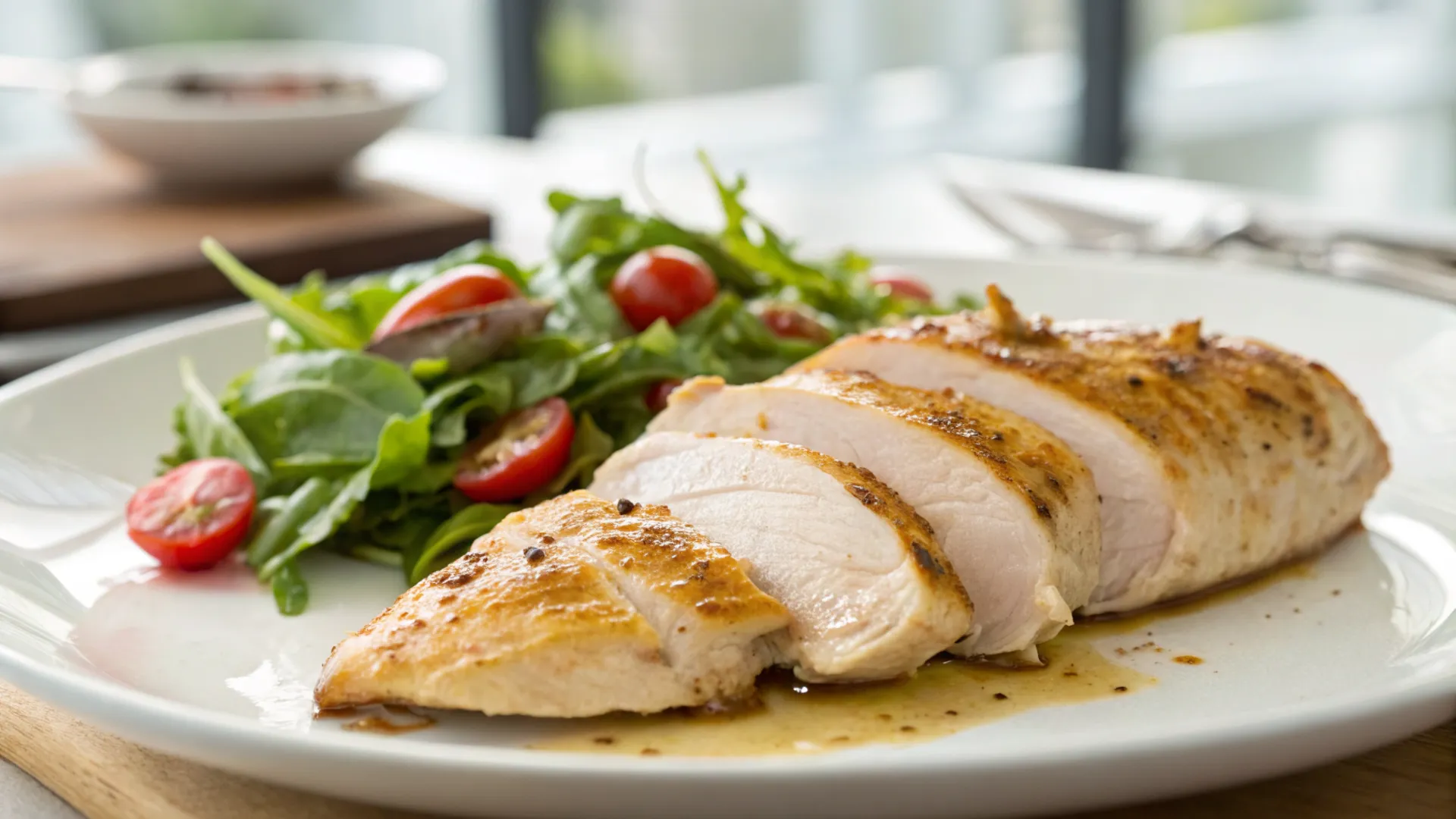
Hey there, fellow food adventurers! Ever stare into your fridge, spot those boneless, skinless chicken breasts, and feel a wave of… well, what now? You’re not alone. For years, I’ve found myself in that exact spot, wondering how to transform those lean, unassuming cuts into something truly exciting. But trust me, after countless kitchen experiments and a few culinary mishaps (we all have them!), I’ve come to realize that boneless, skinless chicken breasts are actually your secret weapon for incredible, easy, and healthy meals. They’re the unsung heroes of the weeknight dinner, the blank canvas for a symphony of flavors, and the answer to that eternal question: “What’s for dinner?”

We’ve all been there, haven’t we? Rushing home after a long day, hunger pangs setting in, and the thought of a complicated meal sends shivers down your spine. That’s precisely where boneless, skinless chicken breast recipes swoop in to save the day. Think about it: they cook quickly, absorb flavors like a sponge, and are incredibly versatile. You can bake them, pan-fry them, grill them, shred them – the possibilities are truly endless. And let’s be honest, who doesn’t love a meal that’s both delicious and doesn’t demand hours of your precious time?
Why You’ll Love Boneless Skinless Chicken Breast Recipes
Why do I sing the praises of boneless, skinless chicken breasts so passionately? Because they are the ultimate in convenience and culinary flexibility. No bones to fuss with, no skin to remove – just pure, lean protein ready for your culinary magic. This means less prep time, less mess, and more time enjoying your delicious creations. Plus, they’re incredibly healthy, offering a fantastic source of protein without a ton of extra fat. This makes them perfect for anyone looking to eat well, whether you’re counting macros, trying to lose weight, or simply aiming for a balanced diet.
Beyond their inherent health benefits, their mild flavor profile is a huge advantage. It means they’re a chameleon in the kitchen, happily adopting the flavors of whatever spices, sauces, or marinades you throw their way. Want Italian? Go for it. Craving Asian? Easy. Mediterranean? Absolutely. This adaptability is what truly makes boneless, skinless chicken breast recipes a staple in my kitchen and, I bet, soon to be in yours too.
Essential Ingredients for Chicken Breast Magic

To truly unlock the potential of boneless, skinless chicken breasts, you don’t need a pantry overflowing with exotic spices. Often, the magic happens with a few key, readily available ingredients.
- Boneless, skinless chicken breasts (of course!)
- Olive oil (for cooking and searing)
- Salt (essential for seasoning)
- Black pepper (adds a touch of spice and depth)
- Garlic powder (a fantastic all-rounder for flavor)
- Onion powder (another versatile flavor enhancer)
- Paprika (adds color and a subtle smoky sweetness)
- Chicken broth or stock (for pan sauces or braising)
- Fresh herbs (parsley, cilantro, thyme, rosemary – for brightness)
- Lemon (juice and zest – for a zesty kick)
Ingredients Notes
- Chicken Breasts: Aim for similarly sized breasts for even cooking. If they vary greatly, you might want to pound the thicker parts slightly to ensure they cook at the same rate.
- Olive Oil: Extra virgin olive oil is great for finishing dishes or lighter cooking, while regular olive oil is perfect for searing at higher temperatures.
- Salt & Pepper: Don’t be shy with these! Proper seasoning is crucial for flavorful chicken.
- Garlic & Onion Powder: These are fantastic for adding foundational flavor without needing to mince fresh aromatics, making them perfect for quick meals.
- Paprika: Smoked paprika can add an extra layer of depth if you’re looking for a bolder flavor.
- Chicken Broth/Stock: Always keep some on hand. It’s fantastic for deglazing the pan and creating a quick, flavorful sauce.
- Fresh Herbs: These are a game-changer! They add a vibrant freshness that dried herbs often can’t replicate. Add them at the end of cooking to preserve their flavor.
- Lemon: A squeeze of fresh lemon juice at the end of cooking can brighten up almost any chicken dish, cutting through richness and adding a lovely tang.
How to Make Boneless Skinless Chicken Breast Recipes

Making boneless, skinless chicken breast recipes is often simpler than you think. Here’s a basic approach that you can adapt to countless dishes:
- Pound Them (Optional but Recommended): If your chicken breasts are very thick or uneven, place them between two pieces of plastic wrap and pound them to an even ½ to ¾ inch thickness. This ensures even cooking and helps them cook faster.
- Season Generously: Don’t skimp on the seasoning! Pat the chicken dry with paper towels (this helps with searing) and then season both sides liberally with salt, pepper, garlic powder, onion powder, and paprika. You can also use your favorite all-purpose seasoning blend.
- Heat Your Pan: Heat a large skillet over medium-high heat. Add a tablespoon or two of olive oil. You want the oil to be shimmering, but not smoking.
- Sear for Color: Carefully place the seasoned chicken breasts in the hot pan. Don’t overcrowd the pan; cook in batches if necessary. Sear for 3-5 minutes per side until beautifully golden brown. This develops a fantastic crust and locks in moisture.
- Finish Cooking: Reduce the heat to medium-low. If you’re making a pan sauce, now’s the time to add your aromatics (like minced garlic or chopped onions) and deglaze with chicken broth. Cover the pan and let the chicken finish cooking, about 5-10 minutes, or until an instant-read thermometer inserted into the thickest part reads 165°F (74°C).
- Rest: This is crucial! Once cooked, remove the chicken from the pan and let it rest on a cutting board for at least 5 minutes before slicing. This allows the juices to redistribute, resulting in incredibly tender and moist chicken.
Storage Options
Cooked boneless, skinless chicken breast is fantastic for meal prep!
- Refrigeration: Store cooked chicken breast in an airtight container in the refrigerator for 3-4 days. This makes for super easy lunches or quick additions to salads throughout the week.
- Freezing: For longer storage, cooked chicken breast can be frozen for up to 3 months. Let it cool completely, then wrap individual portions tightly in plastic wrap and then aluminum foil, or place in freezer-safe bags, removing as much air as possible. Thaw overnight in the refrigerator before reheating.
Variations and Substitutions
This is where the fun truly begins! Boneless, skinless chicken breasts are endlessly adaptable.
- Sauces & Marinades: Instead of just seasoning, marinate your chicken breasts for at least 30 minutes (or up to 4 hours) in your favorite sauce. Think teriyaki, lemon-herb, balsamic, or even a spicy sriracha-lime concoction.
- Stuffing: Carefully slice a pocket into the side of the chicken breast and stuff it with cheese, spinach, sun-dried tomatoes, herbs, or a mixture of your favorites. Secure with toothpicks if needed.
- Breading: For a crispy exterior, dredge the chicken breasts in seasoned flour, then egg wash, then breadcrumbs (Panko breadcrumbs are excellent for extra crispiness). Pan-fry or bake until golden and cooked through.
- Shredded Chicken: After cooking, shred the chicken with two forks. This is perfect for tacos, sandwiches, salads, or adding to soups and stews. You can even cook it in a slow cooker with a little broth for easy shredding.
- Substitutions: While this article focuses on boneless, skinless chicken breasts, many of these cooking methods and flavor profiles can be adapted for chicken thighs (though cooking times will vary) or even pork tenderloin. Experiment and find what you love!
FAQ:
Q1: How do I know if my chicken breast is cooked through? A1: The most reliable way is to use an instant-read meat thermometer. Insert it into the thickest part of the chicken, ensuring it doesn’t touch bone. It’s cooked when it reaches 165°F (74°C). If you don’t have a thermometer, you can cut into the thickest part; the juices should run clear, and the meat should be opaque throughout.
Q2: My chicken breasts always turn out dry. What am I doing wrong? A2: Overcooking is the most common culprit! Chicken breasts are lean and cook quickly. Ensure you don’t cook them past 165°F (74°C). Also, pounding them to an even thickness helps prevent thinner parts from drying out while thicker parts finish cooking. Lastly, letting them rest after cooking allows the juices to redistribute, keeping them moist.
Q3: Can I cook boneless skinless chicken breasts from frozen? A3: While possible, it’s generally not recommended for optimal texture and even cooking. Thawing chicken breasts in the refrigerator overnight or using the cold water thawing method is best. If you absolutely must cook from frozen, adjust cooking times significantly and ensure the internal temperature reaches 165°F (74°C).
Q4: What’s the best way to marinate chicken breasts for maximum flavor? A4: For maximum flavor, marinate boneless, skinless chicken breasts for at least 30 minutes, but ideally 2-4 hours. For thinner cuts or strong marinades, you might even get away with 15-20 minutes. Avoid marinating for longer than 12 hours, as the acid in some marinades can start to break down the protein too much, leading to a mushy texture.
Q5: Are there any specific seasoning combinations that work particularly well with boneless skinless chicken breasts? A5: Absolutely! Beyond the basic salt, pepper, garlic, and onion powder, some fantastic combinations include: lemon-herb (rosemary, thyme, lemon zest); spicy Cajun (cayenne, paprika, oregano, thyme); Italian (oregano, basil, garlic, red pepper flakes); and Asian-inspired (ginger, soy sauce, sesame oil, garlic). The possibilities are truly endless, so get creative!
Conclusion:
So, there you have it! Boneless, skinless chicken breasts, once perhaps a source of culinary confusion, are now, hopefully, your go-to ingredient for quick, healthy, and incredibly flavorful meals. We’ve talked about why they’re so fantastic, the essential ingredients to make them shine, simple cooking methods, and how to store and adapt them for endless deliciousness. Remember, the key is to not overcook them, and to embrace their versatility. Don’t be afraid to experiment with different seasonings, sauces, and cooking methods. So next time you grab those boneless, skinless chicken breasts from the grocery store, you’ll have a whole arsenal of ideas ready to transform them into a meal that everyone will love. Happy cooking!
Print
The Juiciest Pan-Seared Chicken Breast (A 20-Minute Recipe!)
Learn the simple, foolproof method for cooking perfectly juicy and tender pan-seared chicken breasts every time. This easy recipe features a golden-brown crust and a quick, savory garlic pan sauce made in the same skillet. It’s the perfect healthy, quick, and versatile main course for any weeknight dinner.
- Total Time: 25 minutes
- Yield: 4 servings
Ingredients
4 boneless, skinless chicken breasts (about 6 oz / 170g each)
1 tablespoon olive oil
1 tablespoon butter
2 cloves garlic, minced
½ cup (120 ml) low-sodium chicken broth
1 teaspoon garlic powder
1 teaspoon onion powder
½ teaspoon paprika
Salt and freshly ground black pepper, to taste
1 tablespoon fresh parsley, chopped (for garnish)
Instructions
- Prepare the Chicken: Place chicken breasts between two pieces of plastic wrap and pound them to an even ½-inch thickness. Pat the chicken completely dry with paper towels.
- Season Generously: In a small bowl, mix together the garlic powder, onion powder, paprika, salt, and pepper. Season both sides of the dry chicken breasts liberally with this mixture.
- Sear the Chicken: Heat the olive oil in a large skillet over medium-high heat. Once the oil is shimmering, carefully place the seasoned chicken in the pan. Sear for 4-6 minutes on the first side without moving, until a beautiful golden-brown crust forms.
- Flip and Finish Cooking: Flip the chicken breasts and cook for another 4-6 minutes on the other side, or until the chicken is cooked through and no longer pink inside. Transfer the cooked chicken to a cutting board and let it rest.
- Make the Pan Sauce: Reduce the heat to medium-low. Add the butter to the same skillet. Once melted, add the minced garlic and cook for 30-60 seconds until fragrant.
- Deglaze and Serve: Pour the chicken broth into the pan, using a wooden spoon to scrape up any browned bits from the bottom. Let the sauce simmer for 1-2 minutes to reduce slightly. Slice the rested chicken, return it to the pan to coat in the sauce, or serve the sauce spooned over the top, garnished with fresh parsley.
Notes
Even Thickness is Key: Pounding the chicken to an even thickness is the most important step for ensuring it cooks evenly and stays juicy.
Dry for a Good Sear: Patting the chicken completely dry before seasoning is crucial. A dry surface allows the chicken to form a delicious golden-brown crust instead of steaming in the pan.
Let It Rest: Always let the cooked chicken rest on a cutting board for at least 5 minutes before slicing. This allows the juices to redistribute throughout the meat, resulting in a much more tender and moist chicken breast.
Doneness: The most reliable way to check if your chicken is cooked is with an instant-read meat thermometer. It should read 165°F (74°C) at the thickest part.
- Prep Time: 10 minutes
- Cook Time: 15 minutes
- Category: Dinner, Main Course
- Method: Pan-Searing, Sautéing
- Cuisine: American
- Diet: Gluten Free
Nutrition
- Serving Size: 1 chicken breast with sauce
- Calories: 310 kcal
- Sodium: 480mg
- Fat: 12g
- Carbohydrates: 2g
- Protein: 45g




Leave a Comment