

Hey there, fellow food lovers! Are you looking for a super versatile, incredibly quick, and undeniably delicious protein to add to your weeknight rotation? Well, let me tell you, chicken tenderloins are about to become your new best friend. Seriously, they’re a game-changer!
Forget about dry, bland chicken. We’re talking about juicy, flavorful bites that practically melt in your mouth. And the best part? They cook up in a flash, making them perfect for those busy evenings when you just want something satisfying without all the fuss.

Why do I love them so much? Because they’re so forgiving! Whether you’re a seasoned chef or just starting out in the kitchen, chicken tenderloins are pretty hard to mess up. Plus, their lean nature means they soak up flavors like a sponge, leaving you with endless possibilities for culinary creativity.
So, are you ready to transform your dinner routine with some fantastic chicken tenderloin recipes? I know I am, and I’m excited to share all my tips and tricks with you today.
Why You’ll Love Cooking with Chicken Tenderloins
Let’s be honest, we all want meals that are both delicious and don’t require an entire afternoon in the kitchen. Chicken tenderloins fit that bill perfectly. Their smaller size means they cook much faster than a full chicken breast, which is a huge win when hunger strikes.
They’re naturally tender, so you don’t have to worry about tough meat. It’s all about that melt-in-your-mouth experience, right? And because they’re so lean, they’re a healthy choice you can feel good about serving to your family.
Think about it: less time cooking, more time enjoying. That’s the dream, isn’t it? Plus, their mild flavor makes them a fantastic canvas for all sorts of spices and sauces.
From zesty lemon-herb to smoky barbecue, the possibilities are truly endless. You can pan-fry them, bake them, grill them, or even air fry them – they’re incredibly adaptable to whatever cooking method you prefer.
Essential Ingredients for Tenderloin Perfection

Now, let’s talk about what you’ll need to create some truly amazing chicken tenderloin dishes. While the beauty of tenderloins lies in their adaptability, there are a few foundational ingredients that will elevate any recipe.
Having these staples on hand will make your cooking experience so much smoother. It’s like having a well-stocked artist’s palette – you’re ready for anything!
- Chicken Tenderloins: Fresh, of course! Look for tenderloins that are pink and plump.
- Olive Oil: A good quality extra virgin olive oil for searing and flavor.
- Salt & Black Pepper: The absolute essentials for seasoning. Don’t underestimate their power!
- Garlic: Fresh minced garlic adds a foundational aromatic flavor to almost any dish.
- Onion/Shallots: Another aromatic powerhouse for building flavor.
- Herbs: Fresh or dried, think parsley, thyme, rosemary, or oregano for classic flavor profiles.
- Citrus (Lemon/Lime): A squeeze of fresh lemon or lime can brighten up any dish and add a lovely zing.
- Broth (Chicken or Vegetable): Great for creating pan sauces or keeping the chicken moist.
- Butter (Optional): A little butter at the end can add richness and help create a beautiful glaze.
Ingredients Notes
- Chicken Tenderloins: While fresh is best, frozen tenderloins work too! Just make sure to thaw them completely in the refrigerator before cooking. Pat them dry with paper towels to ensure a good sear.
- Olive Oil: You can use other cooking oils like avocado oil or grapeseed oil, but olive oil offers a nice, subtle flavor that complements chicken well.
- Salt & Black Pepper: Always season to taste! Start with a little and add more if needed. Freshly ground black pepper makes a big difference.
- Garlic: If you don’t have fresh, garlic powder can be a substitute, but the flavor won’t be as vibrant. Use about 1/4 teaspoon of powder for every clove of fresh garlic.
- Herbs: Fresh herbs offer a more intense flavor. If using dried, remember that dried herbs are typically more potent than fresh, so use about 1/3 the amount.
- Citrus: Freshly squeezed juice is key here. Bottled juice just doesn’t have the same bright flavor.
- Broth: Low-sodium broth gives you more control over the saltiness of your dish.
Master the Art of Cooking Chicken Tenderloins

Okay, let’s get down to the nitty-gritty: how to actually cook these beauties. The key to perfectly cooked chicken tenderloins is not to overcook them. They’re lean, remember? Overcooking will lead to dry, rubbery results, and nobody wants that.
We’re aiming for tender, juicy, and flavorful – every single time. It’s surprisingly easy to achieve, I promise! Just a few simple steps and you’ll be a tenderloin master.
Step-by-Step Guide to Irresistible Tenderloins
Let’s walk through a basic pan-searing method, which is one of my favorite ways to cook tenderloins because it’s quick and yields amazing results. This is your foundation; you can build on it with different sauces and seasonings.
- Prep the Tenderloins: Pat your chicken tenderloins dry with paper towels. This is crucial for a good sear! Season them generously with salt and black pepper, and any other spices you love (garlic powder, paprika, onion powder work well).
- Heat the Pan: Place a large skillet (cast iron or stainless steel works best) over medium-high heat. Add a tablespoon or two of olive oil. You want the oil to be shimmering, but not smoking.
- Sear the Chicken: Carefully place the tenderloins in the hot pan in a single layer, making sure not to overcrowd the pan. If you have too many, cook them in batches. Sear for 2-3 minutes per side until golden brown and cooked through.
- Check for Doneness: The internal temperature should reach 165°F (74°C). You can check with a meat thermometer, or simply cut into the thickest part of one tenderloin to ensure it’s no longer pink in the center.
- Rest: Once cooked, remove the tenderloins from the pan and let them rest on a cutting board for 5 minutes before slicing or serving. This allows the juices to redistribute, keeping the chicken moist and tender.
Storage, Variations, and Making it Your Own
So, you’ve mastered the basic cooking method. What now? Well, the beauty of chicken tenderloins is their versatility! You can easily adapt them to fit whatever flavors you’re craving or whatever ingredients you have on hand.
Don’t be afraid to experiment! That’s where the real fun of cooking comes in. And knowing how to store them properly will help you get the most out of your delicious creations.
Storage Options
- Refrigeration: Cooked chicken tenderloins can be stored in an airtight container in the refrigerator for up to 3-4 days. They’re fantastic for meal prepping!
- Freezing: If you’ve made a large batch or want to save some for later, cooked chicken tenderloins freeze well. Place them in a freezer-safe bag or container and freeze for up to 2-3 months. Thaw in the refrigerator overnight before reheating.
- Reheating: Gently reheat cooked tenderloins in a skillet over medium-low heat with a splash of broth or water to keep them moist. You can also microwave them, but be careful not to overcook them, as this can make them tough.
Variations and Substitutions
- Lemon-Herb Tenderloins: After searing, deglaze the pan with chicken broth and a squeeze of fresh lemon juice. Stir in chopped fresh parsley or thyme.
- Garlic Parmesan Tenderloins: Mix grated Parmesan cheese, garlic powder, and a pinch of dried oregano with your salt and pepper before seasoning the chicken.
- Spicy Tenderloins: Add a pinch of red pepper flakes or a dash of your favorite hot sauce to the pan while cooking.
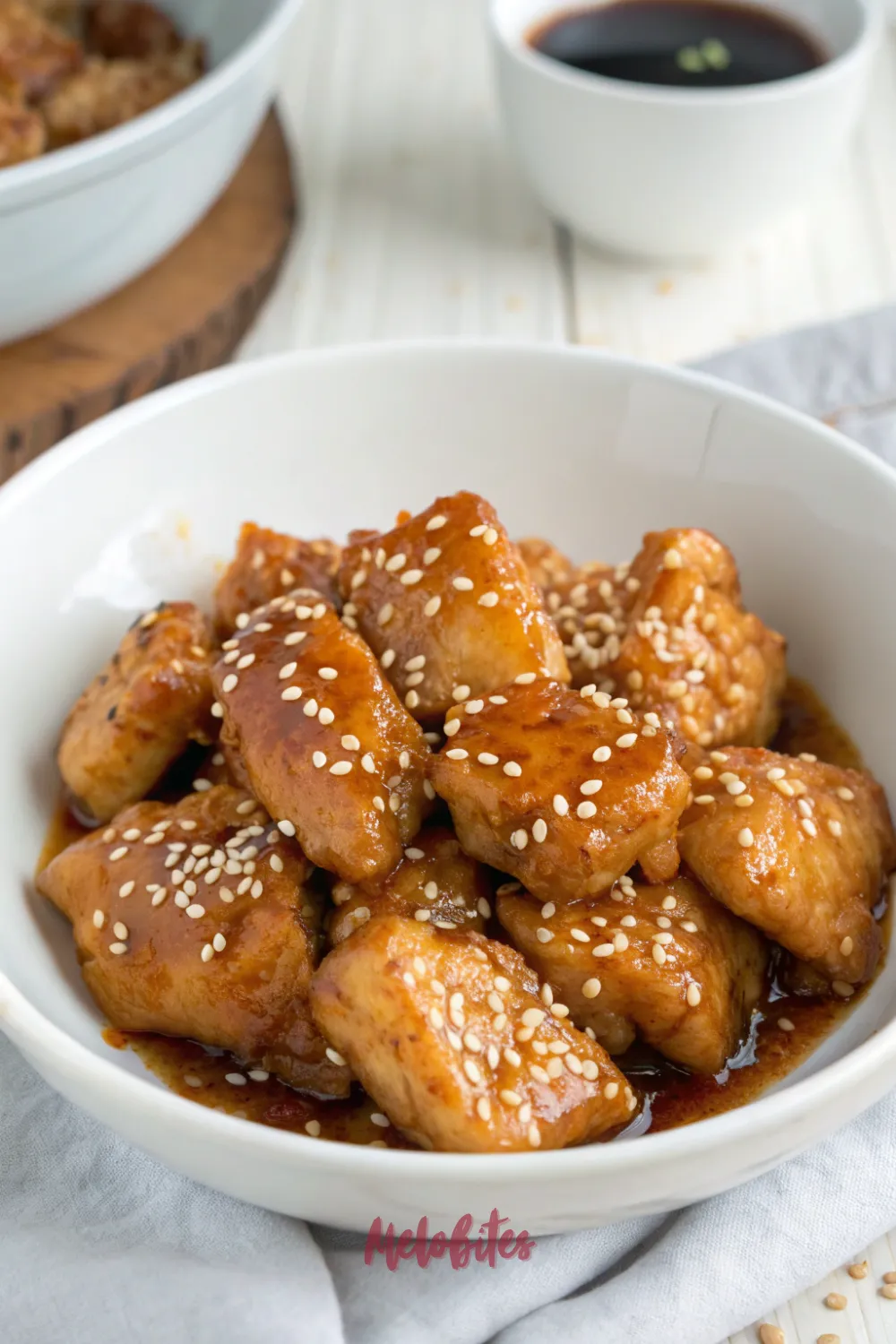
- Honey Garlic Tenderloins: Whisk together honey, soy sauce, minced garlic, and a touch of ginger. Pour over the tenderloins during the last few minutes of cooking, allowing the sauce to thicken.
- Creamy Mushroom Tenderloins: Sauté sliced mushrooms in the same pan after cooking the chicken. Add a splash of broth and a spoonful of cream cheese or heavy cream for a rich sauce.
- Substitutions: If you don’t have chicken tenderloins, you can slice chicken breasts into similar-sized pieces for quicker cooking. The cooking time might vary slightly, so always check for doneness.
Why You’ll Love Chicken Tenderloin Recipes
- Quick to cook
- Naturally tender
- Healthy and lean
- Versatile for various flavors
- Great for meal prep
Essential Ingredients for Chicken Tenderloin Recipes
- Chicken Tenderloins
- Olive Oil
- Salt
- Black Pepper
- Garlic
- Onion/Shallots
- Herbs (parsley, thyme, rosemary, oregano)
- Citrus (lemon/lime)
- Broth (chicken or vegetable)
- Butter (optional)
Ingredients Notes
- Thaw frozen tenderloins completely and pat dry.
- Other cooking oils can be used in place of olive oil.
- Always season salt and pepper to taste.
- Garlic powder can substitute fresh garlic (1/4 tsp powder per clove).
- Dried herbs are more potent than fresh (use 1/3 the amount).
- Use freshly squeezed citrus juice for best flavor.
- Low-sodium broth allows for better salt control.
How to make Chicken Tenderloin Recipes
- Pat tenderloins dry and season generously.
- Heat oil in a skillet over medium-high heat until shimmering.
- Sear tenderloins for 2-3 minutes per side until golden brown and cooked through (165°F).
- Remove from heat and rest for 5 minutes before serving.
Storage Options
- Refrigeration: 3-4 days in an airtight container.
- Freezing: 2-3 months in a freezer-safe bag/container.
- Reheating: Gently in a skillet with broth or water, or carefully in the microwave.
Variations and Substitutions
- Lemon-Herb: Deglaze with broth and lemon, add herbs.
- Garlic Parmesan: Add Parmesan, garlic powder, oregano to seasoning.
- Spicy: Add red pepper flakes or hot sauce.
- Honey Garlic: Glaze with honey, soy, garlic, ginger.
- Creamy Mushroom: Sauté mushrooms, add broth and cream/cream cheese.
- Substitutions: Slice chicken breasts for similar cooking times.
FAQ
Q1: Can I cook chicken tenderloins from frozen?
A1: While it’s generally best to thaw chicken tenderloins completely before cooking for even results, you can cook them from frozen in a pinch. However, the cooking time will be significantly longer (about 50% more), and it’s harder to get a good sear. Make sure to check the internal temperature to ensure they are fully cooked.
Q2: How do I know when my chicken tenderloins are cooked through without a thermometer?
A2: The best way to know for sure is with a meat thermometer (they’re a great kitchen investment!). Without one, you can cut into the thickest part of the tenderloin. If the juices run clear and there’s no pink left in the center, it’s likely cooked. However, be cautious not to overcook.
Q3: What are some healthy side dishes that pair well with chicken tenderloins?
A3: Chicken tenderloins are incredibly versatile! Some great healthy side dishes include roasted vegetables (broccoli, asparagus, bell peppers), a fresh green salad with a light vinaigrette, quinoa, brown rice, or steamed sweet potatoes.
Q4: My chicken tenderloins always turn out dry. What am I doing wrong?
A4: The most common reason for dry chicken tenderloins is overcooking. They are very lean and cook quickly, so a few minutes too long can make a big difference. Pay close attention to the cooking time, use a meat thermometer, and ensure you let them rest for a few minutes after cooking to redistribute the juices.
Q5: Can I marinate chicken tenderloins? If so, for how long?
A5: Absolutely! Marinating chicken tenderloins is a fantastic way to add flavor and moisture. You can marinate them for as little as 30 minutes or up to 2-4 hours in the refrigerator. For longer marinating, be careful with acidic marinades (like lemon or vinegar-based ones) as they can start to “cook” the chicken if left too long.
Conclusion
So there you have it, folks! Chicken tenderloins are truly a superstar ingredient in the kitchen. They’re quick, easy, and incredibly versatile, making them the perfect choice for busy weeknights or whenever you need a delicious meal in a flash.
I hope this guide has given you the confidence to dive into the wonderful world of chicken tenderloin recipes. Remember, cooking should be fun and adventurous! Don’t be afraid to experiment with different seasonings, sauces, and cooking methods. Your culinary journey with these tender, flavorful bites is just beginning. Happy cooking!




Leave a Comment