

Hey there, fellow food lovers! Are you ready to dive into the wonderful world of chicken? I’m talking about those incredible, mouth-watering chicken recipes that make weeknights feel like a culinary adventure and dinner parties a breeze. Forget bland, forget boring – we’re about to unlock the secrets to chicken dishes that will have everyone asking for seconds.
Think about it: chicken. It’s affordable, it’s accessible, and oh-so-versatile. From sizzling stir-fries to comforting casseroles, spicy curries to hearty roasts, chicken truly is the chameleon of the kitchen. And guess what? You don’t need to be a Michelin-starred chef to whip up something spectacular. With a few simple ingredients and a dash of enthusiasm, you’ll be creating chicken masterpieces in no time. So, are you ready to transform your dinner routine? Let’s get cooking!
Why You’ll Love Chicken Recipes

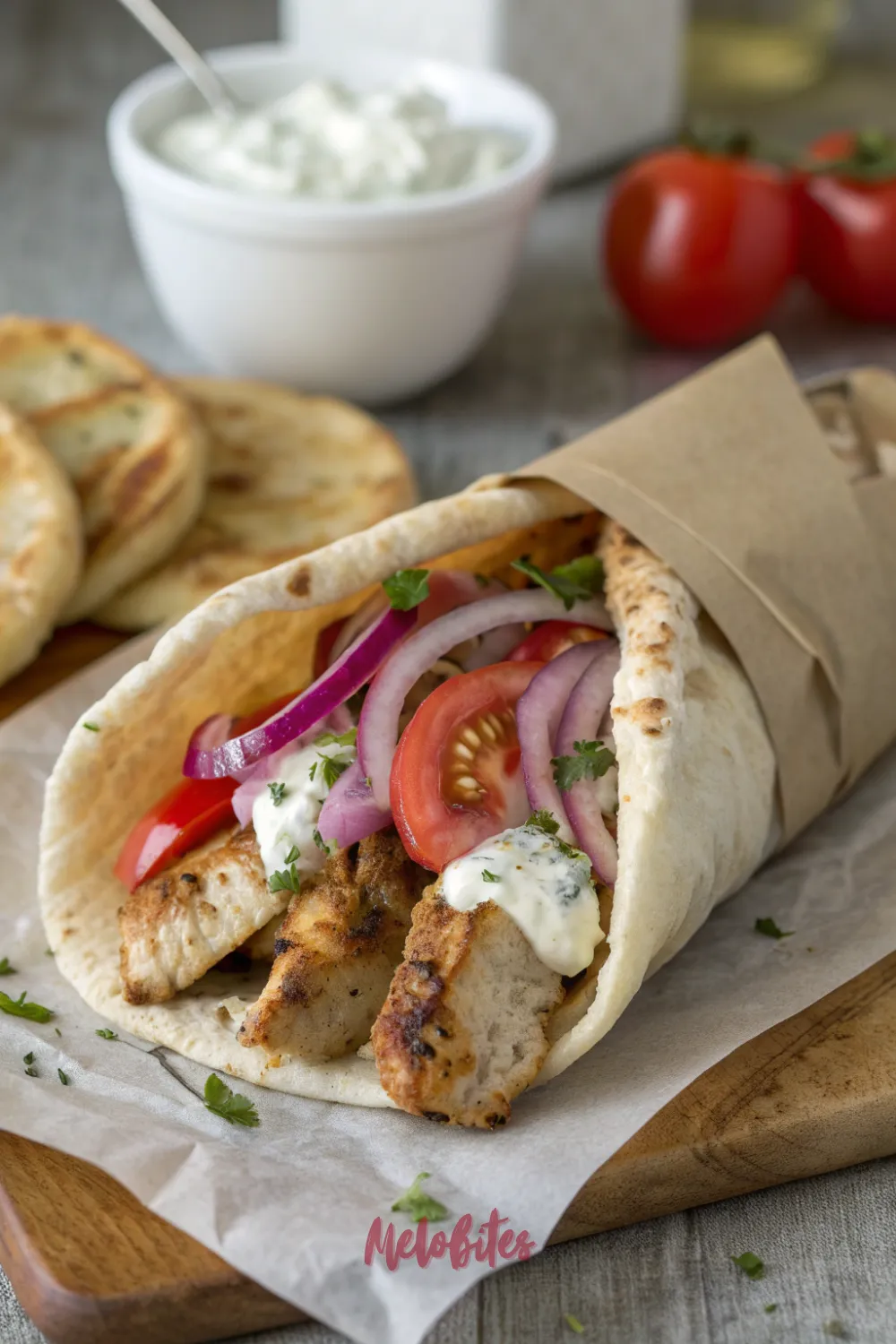
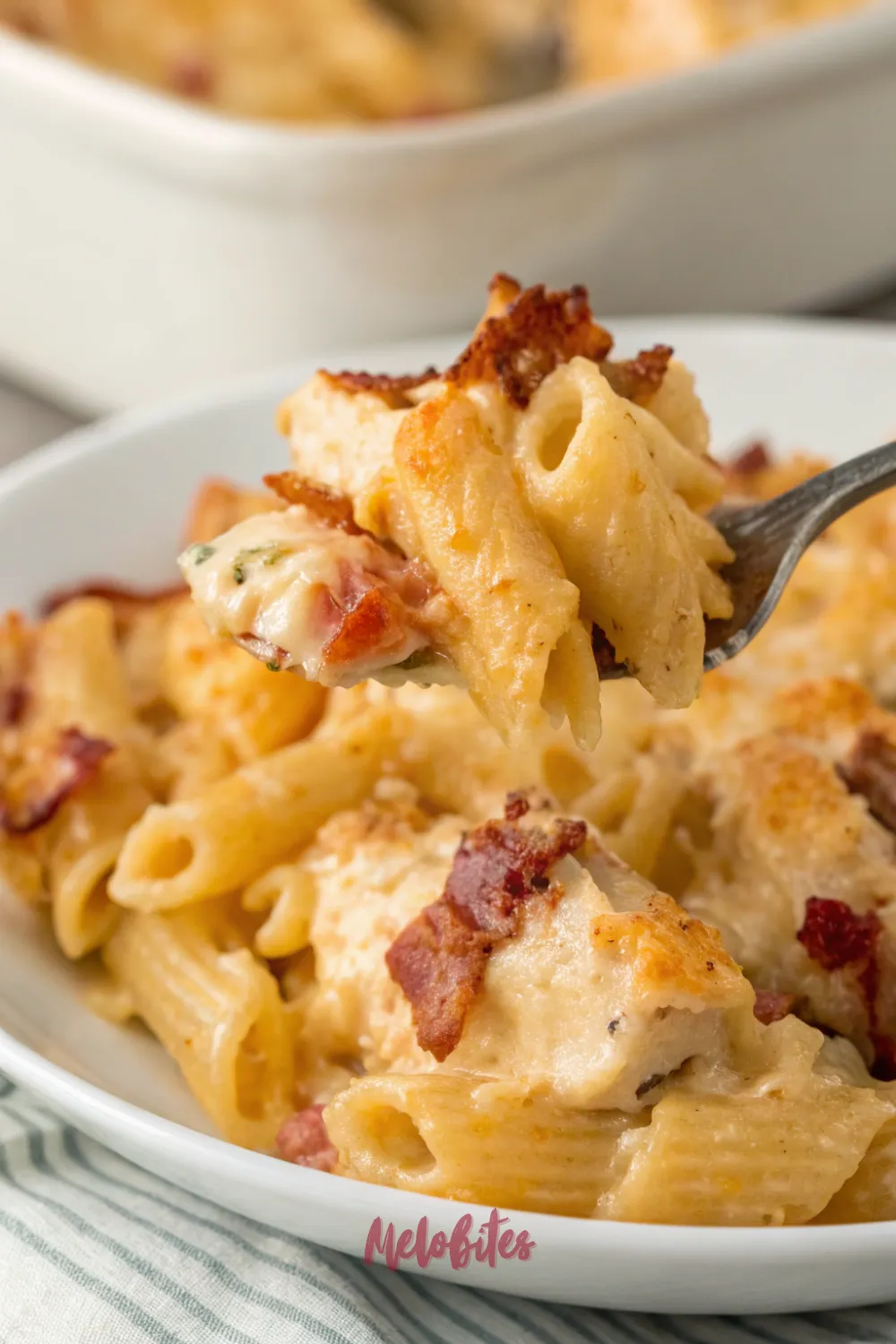
The beauty of chicken lies in its incredible flexibility. It’s a lean protein powerhouse that easily adapts to almost any flavor profile you throw its way. Want something zesty and fresh? Lemon herb chicken. Craving comfort? Creamy chicken and mushroom pasta. Feeling exotic? A fragrant chicken tagine. The possibilities are truly endless, and that’s precisely why chicken becomes your go-to for so many meals. It’s like having a culinary blank canvas that’s just waiting for your artistic touch.
Essential Ingredients for Epic Chicken Dishes
Get ready to stock your pantry and fridge with the stars of our chicken recipe show! Here’s a quick rundown of the essential ingredients that will lay the foundation for truly epic chicken dishes:
- Chicken: Of course! Boneless, skinless chicken breasts, thighs, whole chicken, or even ground chicken – each has its unique charm and purpose.
- Aromatics: Onions, garlic, ginger. These are the unsung heroes that build the flavor foundation of almost any savory dish.
- Herbs and Spices: Salt, black pepper (of course!), paprika, cumin, chili powder, oregano, thyme, rosemary, bay leaves. Fresh herbs like parsley, cilantro, and basil will elevate your dishes to new heights.
- Fats: Olive oil, butter, coconut oil. Essential for sautéing, roasting, and adding richness.
- Acid: Lemon juice, lime juice, vinegar (apple cider, red wine, balsamic). A splash of acid brightens flavors and can cut through richness.
- Broth: Chicken broth or stock. Perfect for creating sauces, adding moisture, and simmering.
- Canned Goods: Diced tomatoes, tomato paste, coconut milk, beans (chickpeas, black beans) – great for quick additions and building complex flavors.
- Vegetables: Bell peppers, carrots, celery, spinach, broccoli, mushrooms. Add color, nutrients, and texture.
- Grains/Starches: Rice, pasta, quinoa, potatoes. Perfect for serving alongside your chicken creations.
Ingredients Notes
- Chicken Type Matters: While boneless, skinless chicken breasts are popular for their lean nature and quick cooking, don’t overlook chicken thighs! They’re more forgiving, stay juicier, and often offer more flavor. Whole chickens are fantastic for roasting and yield delicious pan drippings.
- Fresh vs. Dried Herbs: Fresh herbs generally offer a brighter, more vibrant flavor. However, dried herbs are convenient and still pack a punch. As a general rule, use about three times the amount of fresh herbs as dried.
- Salt is Key: Don’t be afraid to season your chicken generously! Salt brings out the natural flavors of the meat and other ingredients. Taste as you go.
- Acidity for Balance: A squeeze of lemon or lime juice at the end of cooking can truly transform a dish, adding a lovely brightness and cutting through any richness. Don’t skip this step!
- Quality Ingredients: While not always necessary to break the bank, using good quality ingredients, especially fresh produce, can make a noticeable difference in the final taste of your dish.
How to Make Chicken Recipes (General Steps)

Making delicious chicken recipes often follows a similar pattern, regardless of the specific dish. Here’s a general roadmap to guide you:
- Prep Your Chicken: Trim any excess fat. Depending on the recipe, you might need to cut it into pieces (cubes, strips), butterfly it, or pound it thin. Patting the chicken dry before cooking is crucial for achieving a nice sear.
- Season Generously: This is where the flavor magic begins! Rub your chicken with salt, pepper, and your chosen herbs and spices. Don’t be shy!
- Sear (Optional, but Recommended): For most stove-top or oven-roasted recipes, searing the chicken in a hot pan with a bit of oil until golden brown creates a fantastic crust and locks in juices. This step adds incredible depth of flavor.
- Cook Through: Whether you’re simmering, roasting, baking, grilling, or stir-frying, ensure the chicken cooks to the proper internal temperature (165°F / 74°C for poultry) to ensure it’s safe to eat. Use a meat thermometer for accuracy.
- Rest (Crucial!): After cooking, especially for larger pieces like whole chickens or roasted breasts, let the chicken rest for 5-10 minutes before slicing. This allows the juices to redistribute, resulting in more tender and flavorful meat.
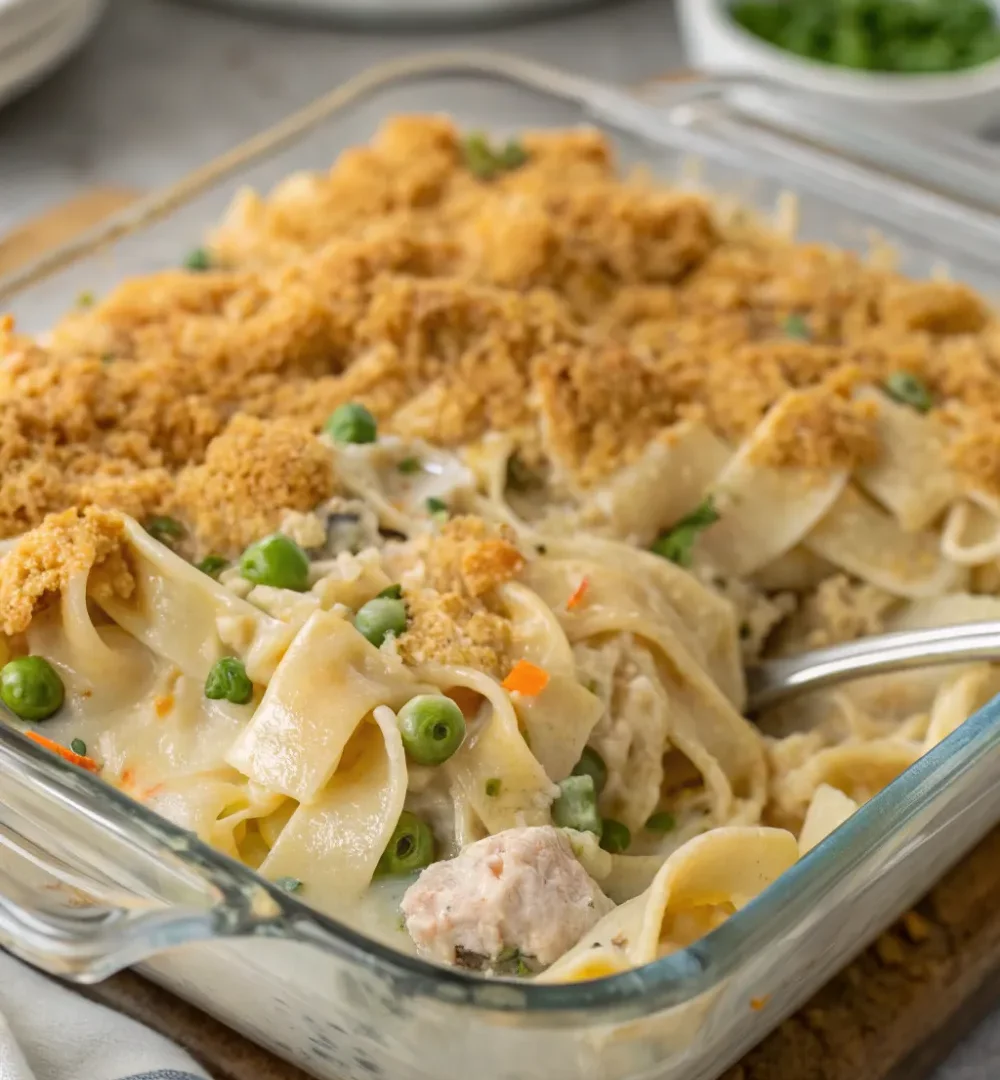
- Build Your Sauce/Dish: Once the chicken is cooked, you can proceed with the rest of your recipe, whether that’s simmering it in a rich sauce, tossing it with pasta, or layering it in a casserole.
- Taste and Adjust: Always taste your dish before serving and adjust seasonings as needed. A little more salt, a squeeze of lemon, or a pinch of herbs can make all the difference.
Storage Options
So, you’ve whipped up a fantastic chicken dish, and now you have leftovers? Excellent! Proper storage is key to enjoying them later.
- Refrigeration: Cooked chicken dishes can be safely stored in an airtight container in the refrigerator for 3-4 days. Make sure to cool the dish completely before transferring it to the fridge to prevent bacterial growth.
- Freezing: Many chicken dishes freeze beautifully! For best results, allow the dish to cool completely, then transfer it to a freezer-safe, airtight container or heavy-duty freezer bags. Most cooked chicken dishes can be frozen for 2-3 months. Thaw overnight in the refrigerator before reheating.
- Reheating: When reheating, ensure the chicken is piping hot all the way through to an internal temperature of 165°F (74°C). You can use the microwave, oven, or stovetop, depending on the dish. Add a splash of broth or water if it seems dry.
Variations and Substitutions

This is where the fun really begins! Once you master a few basic chicken recipes, you can start experimenting with variations and substitutions to keep things fresh and exciting.
- Protein Swap: While we’re focusing on chicken, many of these recipes can be adapted for other proteins. Think pork tenderloin, turkey breast, firm tofu, or even hearty chickpeas. Just adjust cooking times accordingly.
- Vegetable Adventures: Don’t be afraid to swap out vegetables based on what you have on hand or what’s in season. If a recipe calls for bell peppers, but you only have zucchini, go for it! Add extra veggies for more nutrients and flavor.
- Spice It Up (or Down!): Adjust the heat level to your preference. Add more chili flakes or a dash of hot sauce if you like a kick, or reduce them if you prefer milder flavors.
- Herb Harmony: Experiment with different herb combinations. Rosemary and thyme are classic for roasted chicken, while cilantro and cumin shine in Mexican or Indian-inspired dishes.
- Sauce Transformations: A simple chicken and vegetable sauté can be completely transformed by changing the sauce. Go from a savory soy-ginger sauce to a creamy mushroom sauce or a zesty lemon-herb vinaigrette.
- Citrus Power: Lemon and lime are fantastic for brightening flavors. Try orange juice for a sweeter, tangier note in Asian-inspired dishes.
- Dairy Swaps: For creamy dishes, you can often substitute heavy cream with coconut milk (for a dairy-free option), Greek yogurt (adds tang and protein), or even a cashew cream for a rich, plant-based alternative.
- Global Flavors: Let your imagination run wild! Explore flavors from different cuisines. Add curry powder and coconut milk for an Indian flair, use miso paste and rice vinegar for Japanese notes, or try smoked paprika and oregano for a Spanish touch.
FAQ:
Q1: What’s the best way to ensure my chicken breast stays moist? A1: The key to moist chicken breast is not to overcook it! Use a meat thermometer to ensure it reaches 165°F (74°C) and then remove it from the heat immediately. Brining the chicken beforehand or quickly searing it at a higher temperature before finishing at a lower temperature can also help lock in moisture.
Q2: Can I use frozen chicken directly in these recipes? A2: While it’s generally best to thaw chicken completely before cooking for even results and proper searing, some recipes (like those for slow cookers or certain simmering dishes) can accommodate frozen chicken, though cooking times will be significantly longer. For quick stove-top or oven-baked dishes, always thaw first.
Q3: How do I know if my chicken is cooked through without a thermometer? A3: The most reliable way is with a meat thermometer. However, if you don’t have one, you can cut into the thickest part of the chicken. The juices should run clear, and the meat should be opaque all the way through, with no pinkness remaining.
Q4: What are some good side dishes for chicken? A4: Oh, the possibilities! Rice (white, brown, wild), pasta, quinoa, roasted vegetables (broccoli, asparagus, potatoes, sweet potatoes), mashed potatoes, a simple green salad, or crusty bread are all fantastic companions to chicken.
Q5: Is it safe to wash chicken before cooking? A5: No, it’s generally not recommended to wash raw chicken. Washing chicken can spread bacteria (like Salmonella) around your sink and kitchen surfaces, increasing the risk of cross-contamination. Patting it dry with paper towels is sufficient before cooking.
Conclusion:
So, there you have it – your comprehensive guide to conquering chicken recipes! From understanding why this incredible protein is a kitchen staple to mastering essential cooking techniques and unleashing your creativity with variations, you’re now equipped to create truly unforgettable meals. Chicken isn’t just dinner; it’s a gateway to endless culinary possibilities, a reliable friend on busy weeknights, and a star performer for special occasions. So go ahead, experiment, have fun, and most importantly, enjoy the delicious journey of cooking with chicken. Your taste buds (and your family!) will thank you. Happy cooking!




Leave a Comment