
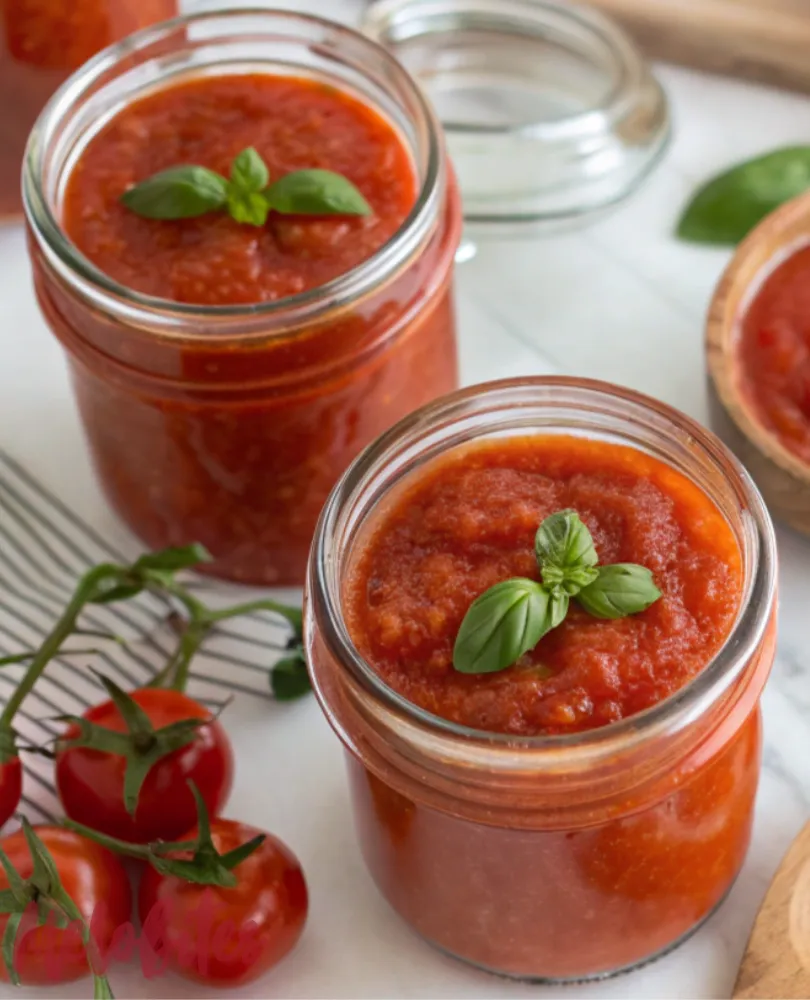
Let’s talk about that moment of disappointment. You buy the fancy pasta, the good cheese, and a jar of tomato sauce that promises “authentic Italian flavor,” only to find it tastes… well, like it came from a jar. It’s often too sweet, a little metallic, or just plain flat, lacking the soul-warming richness you crave.
What if I told you that you could create a tomato sauce so vibrant and deeply flavorful that it transforms any dish it touches? A sauce that makes your kitchen smell like a trattoria in Naples and becomes your secret weapon for countless meals. This isn’t a complicated chef’s secret; it’s the magic of a Homemade Tomato Sauce Recipe done right.
We are going back to basics to build a foundational sauce that will elevate your cooking from good to truly great. Forget the supermarket aisle and get ready to fall in love with the pure, perfect flavor of slow-simmered San Marzano tomatoes. Your culinary world is about to get a whole lot brighter.
Why a Homemade Tomato Sauce Recipe is a Game-Changer
Mastering a basic Homemade Tomato Sauce Recipe is like learning a fundamental chord on a guitar; once you know it, you can play a thousand different songs. It’s a foundational skill that opens up a world of culinary possibilities. You gain complete control over the ingredients, which means no hidden sugars, excessive salt, or strange preservatives.
More importantly, the flavor is simply in another league. The process of slowly simmering the sauce coaxes out the natural sweetness of the tomatoes and melds the flavors of the garlic, onion, and herbs into a harmonious, complex symphony. It’s an investment of time that pays off in every single delicious bite.
The Magic of San Marzano Tomatoes in Cooking for Beginners
If you’re just starting your culinary journey, you might wonder what all the fuss is about with San Marzano Tomatoes. Think of them as the gold standard. Grown in the volcanic soil near Mount Vesuvius in Italy, they are naturally sweeter, less acidic, and have fewer seeds than other varieties, resulting in a richer, smoother sauce.
For anyone diving into Cooking for Beginners, this recipe is a perfect starting point. It’s incredibly forgiving and the high quality of the San Marzano tomatoes does half the work for you, guaranteeing a delicious result. Learning to make this sauce builds confidence and teaches you one of the most important principles in cooking: great dishes start with great ingredients.
The Secret: How to Develop Flavor in Tomato Sauce
So, what is the key to that incredible, restaurant-quality taste? The answer is simple: learning how to develop flavor in tomato sauce through patience. The real transformation happens during the long, slow simmer. This is where the sauce reduces, the flavors concentrate, and the raw tomato taste cooks out, replaced by a deep, savory sweetness.
It’s a process of layering. We start by creating a flavor base, or soffritto, by gently sweating onions and garlic in olive oil. Then we toast the tomato paste to deepen its umami character before adding the San Marzano tomatoes. Every step is intentional, designed to build a foundation of flavor that makes the final product truly unforgettable.
Why You’ll Never Go Back to Jarred Sauce
- Unparalleled Flavor: The rich, sweet, and complex taste of slow-simmered San Marzanos is something a jar simply can’t replicate.
- A Kitchen Essential: This sauce is a perfect base for pasta, pizza, lasagna, chicken parmesan, and so much more.
- Perfect for Meal Prep: Make a large batch on Sunday and have a delicious head start on your meals all week long.
- Simple, Wholesome Ingredients: You know exactly what’s in your sauce: just pure, good-for-you ingredients.
Nutritional Benefits
This homemade sauce is a nutritional powerhouse. Tomatoes are famously rich in lycopene, a potent antioxidant linked to numerous health benefits, and its absorption is actually enhanced by cooking with a healthy fat like olive oil. The sauce is also an excellent source of Vitamin C and Vitamin A.
By making it yourself, you control the sodium content, avoiding the high levels often found in processed foods. The aromatic base of onion and garlic provides its own set of beneficial plant compounds. This is truly food that nourishes from the inside out.
Full Recipe: San Marzano Slow-Simmered Perfection

❖ Prep Time: 15 minutes | Cook Time: 1.5 – 2 hours | Total Time: 1 hour 45 minutes | Yield: Approx. 6 cups | Category: Sauce, Basics | Method: Slow-Simmer | Cuisine: Italian | Diet: Vegan, Gluten-Free
Essential Ingredients for Homemade Tomato Sauce
- 2 tbsp extra virgin olive oil
- 1 large yellow onion, finely chopped
- 6 cloves garlic, thinly sliced
- 2 tbsp tomato paste
- 2 (28 oz) cans whole peeled San Marzano tomatoes (D.O.P. certified if possible)
- 1 tsp dried oregano
- 1 large sprig of fresh basil, plus more for garnish
- 1 parmesan rind (optional, for umami)
- Salt and freshly ground black pepper to taste
- 1 tsp sugar (optional, to balance acidity)
Ingredient Notes
- D.O.P. Certified San Marzanos: Look for the “D.O.P.” (Denominazione d’Origine Protetta) seal on the can. This guarantees the tomatoes are authentic and grown in the designated region in Italy, ensuring the best possible flavor.
- Whole Peeled Tomatoes: Always choose whole peeled tomatoes over crushed or puréed. They are generally of a higher quality, and you can control the final texture by crushing them yourself.
- The Parmesan Rind: This is a classic Italian trick! Tossing in the leftover rind of a block of Parmesan cheese as the sauce simmers adds a subtle, savory depth that is truly special. Just remember to remove it before serving.
How to Make San Marzano Tomato Sauce (Detailed)
- Create the Flavor Base: Heat the olive oil in a large, heavy-bottomed pot or Dutch oven over medium heat. Add the finely chopped onion and a pinch of salt. Cook, stirring occasionally, for 8-10 minutes until the onion is very soft and translucent, but not browned.
- Bloom the Aromatics: Add the sliced garlic and dried oregano and cook for another 1-2 minutes until fragrant. Stir in the tomato paste, making sure to coat the onions and garlic. Let the paste cook for about 2 minutes, stirring constantly, until it darkens in color slightly. This step deepens the tomato flavor.
- Add the Tomatoes: Pour the cans of San Marzano tomatoes, including their juices, into the pot. Use a wooden spoon or a potato masher to gently crush the whole tomatoes against the side of the pot until they break down.
- Simmer to Perfection: Stir everything together and add the fresh basil sprig and the parmesan rind (if using). Bring the sauce to a gentle simmer, then reduce the heat to the lowest possible setting. Let the sauce cook uncovered for at least 1.5 hours, or up to 2 hours, stirring every 20-30 minutes to prevent it from sticking. The sauce is done when it has thickened, reduced, and turned a deeper shade of red.
- Final Seasoning: Remove the basil sprig and the parmesan rind. Taste the sauce and season generously with salt and pepper. If the sauce tastes a bit too acidic for your liking, you can stir in the optional teaspoon of sugar to balance it out.
- Serve or Store: Use the sauce immediately, or let it cool completely before storing. For a smoother texture, you can use an immersion blender to purée the sauce directly in the pot.
Alternative Recipe: Perfect 5-Minute Pizza Sauce
Transform your beautiful tomato sauce into the perfect pizza base with this simple trick!
- For every 1 cup of your prepared and cooled San Marzano sauce, place it in a small bowl.
- Add 1/2 teaspoon of dried oregano, a pinch of garlic powder, and 1 tablespoon of olive oil.
- Stir everything together until well combined. That’s it! It’s now a thicker, more concentrated sauce that won’t make your pizza crust soggy.
Storage Options
This sauce stores beautifully, and the flavor gets even better the next day. Keep it in an airtight container in the refrigerator for up to a week. For long-term storage, let it cool completely and freeze it in freezer-safe bags or containers for up to 6 months.
Variations and Substitutions
- Spicy Arrabbiata: Add 1/2 to 1 teaspoon of red pepper flakes along with the garlic for a fiery kick.
- Puttanesca Style: For a briny and bold flavor, stir in chopped Kalamata olives, capers, and a few anchovy fillets during the last 30 minutes of simmering.
- Hearty Vegetable Sauce: Sauté finely chopped carrots and celery with the onion for a classic soffritto that adds another layer of flavor and nutrition.
- Creamy Tomato Sauce: After the sauce is finished, stir in a splash of heavy cream or full-fat coconut milk for a rich, velvety texture.
Practical & Valuable Tips
- Low and Slow is Non-Negotiable: The long simmer is where the magic happens. Don’t be tempted to rush it by turning up the heat, as this can cause the sauce to scorch.
- Use a Heavy-Bottomed Pot: A Dutch oven or other heavy pot will distribute heat evenly and prevent the sauce from burning on the bottom during the long cooking time.
- Freeze in Portions: Freeze the sauce in various portion sizes (e.g., one-cup or two-cup portions) so you can easily thaw exactly what you need for a quick weeknight dinner.
Frequently Asked Questions
- Can I use fresh tomatoes instead of canned? You can, but the process is more involved as you’ll need to peel and seed them first. For consistency and the classic deep flavor, high-quality canned San Marzano tomatoes are generally recommended for this type of sauce.
- My sauce tastes bitter. What did I do wrong? Bitterness can sometimes come from overcooking the garlic or using a lower-quality tomato paste. Ensure the garlic only becomes fragrant, not brown, and that the tomato paste is lightly toasted, not burned.
- Why is my sauce watery? It most likely just needs more time to simmer. A long, slow simmer with the pot uncovered allows excess water to evaporate, which concentrates the flavors and thickens the sauce naturally.
- Can I make this in a slow cooker? Yes! Complete steps 1 and 2 on the stovetop, then transfer everything to a slow cooker. Cook on low for 6-8 hours for a wonderfully deep flavor.
- Is this sauce the same as marinara? It’s very similar! Technically, marinara is often a quicker-cooking sauce. This slow-simmered version is richer and deeper in flavor, but they can be used interchangeably in most recipes.
This homemade tomato sauce recipe is more than just a recipe; it’s an invitation to slow down and create something truly special in your kitchen. If you’ve unlocked the magic of this San Marzano perfection, save this kitchen essential for later and share your masterpiece on Pinterest!




Leave a Comment