
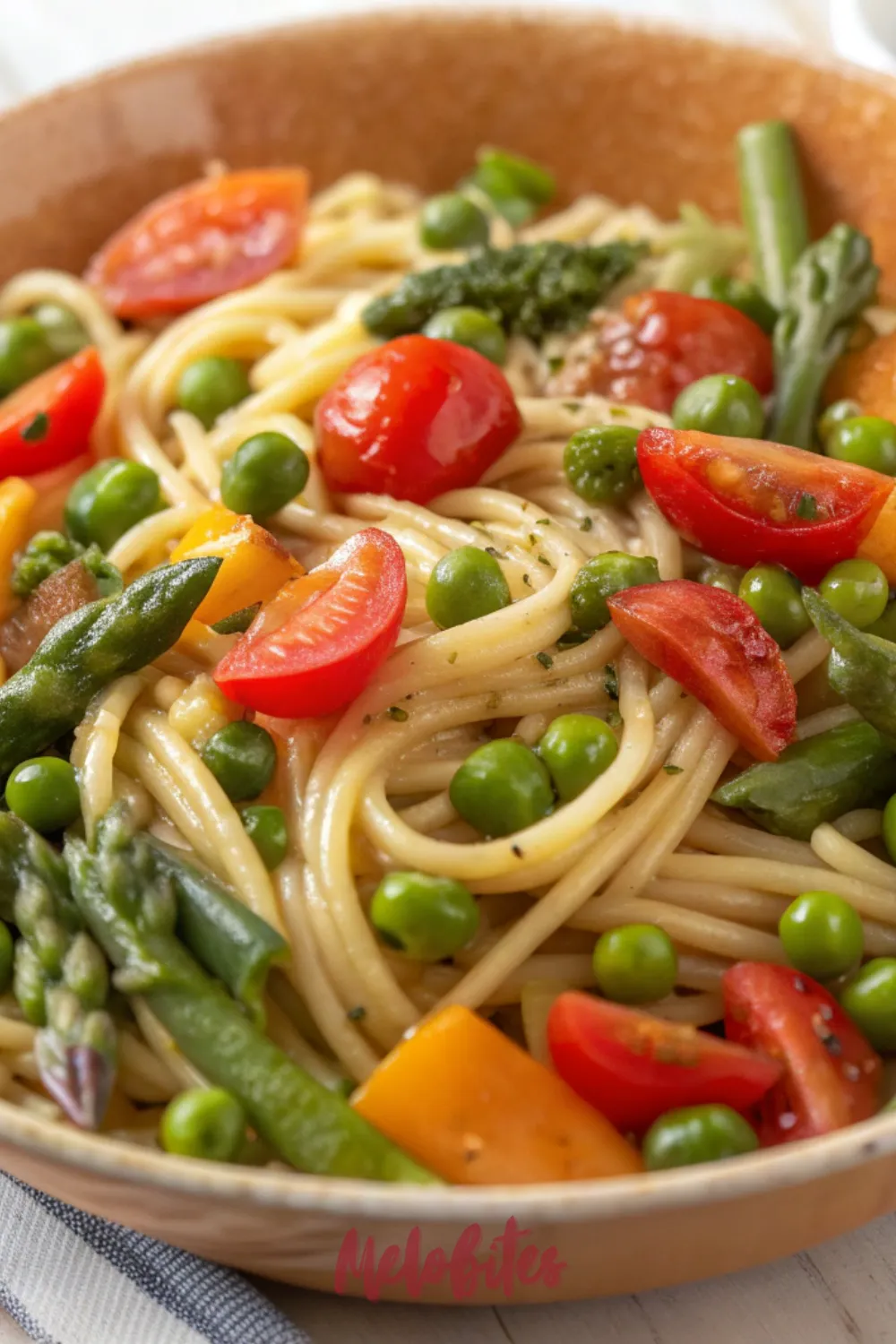
Some evenings call for a meal that feels like a breath of fresh air. You’re craving something that’s not heavy or complicated, yet is still deeply satisfying and beautiful to look at. It’s a tall order, especially on a busy weeknight when your energy is running low and your creativity is tapped out.
What if the answer was as simple as capturing the essence of a garden in a single bowl? This is the promise of Pasta Primavera, a dish that isn’t just food, but a vibrant celebration of freshness. It’s a colorful mosaic of tender-crisp vegetables and perfectly cooked pasta, all brought together in a sauce so light and flavorful it feels like magic.
Forget the heavy, cream-laden versions of the past. We are reclaiming this classic with a modern, healthy approach that’s quick enough for a Tuesday and elegant enough for a Friday. Get ready to create a stunning, simple, and utterly delicious meal that will brighten your table and nourish your body.
The Timeless Beauty of Pasta Primavera
At its very soul, Pasta Primavera is a tribute to the first tender vegetables of spring, though its appeal is timeless. The name itself means “Spring Pasta” in Italian, and it perfectly captures the spirit of the dish: fresh, lively, and full of new beginnings. It’s a culinary canvas painted with the bright greens of asparagus and peas, the vivid red of cherry tomatoes, and the sunny yellow of bell peppers.
The genius of this dish lies in its simplicity and its focus on the ingredients themselves. Each vegetable is cooked just until it’s perfectly crisp-tender, allowing its natural sweetness and unique texture to shine. The pasta, often a playful shape like farfalle or penne, acts as the perfect vessel, catching the light sauce and mingling with the colorful jewels of the garden.
This is more than just pasta with vegetables; it’s a harmonious medley where every component plays a crucial role. It’s a meal that feels both wholesome and indulgent, satisfying your craving for comfort food without weighing you down. It’s a testament to the idea that the most memorable meals are often the simplest.
The Ultimate Vegetable Pasta Recipe for Your Healthy Dinner Ideas File
In the ongoing quest for healthy dinner ideas, a standout vegetable pasta recipe is like finding gold. This Pasta Primavera is that gold. It’s a delicious and engaging way to load up on a wide variety of vegetables, effortlessly helping you meet your daily nutritional goals in the most enjoyable way possible.
This dish is a champion of flexibility, making it a brilliant tool for anyone trying to manage their grocery budget and reduce food waste. It’s the perfect recipe for using up that half a bell pepper, the small bunch of asparagus, or the handful of cherry tomatoes lingering in your crisper drawer. It encourages you to cook with the seasons, using produce when it’s at its peak flavor and most affordable.
Think of this meal as a delicious investment in your well-being. It’s packed with fiber, vitamins, and antioxidants, providing clean, sustained energy that refuels your body after a long day. It’s a shining example of how incredibly satisfying and vibrant healthy eating can be.
The Silky Secret: How to Make a Light Sauce for Pasta with Vegetables
The question I hear most often is this: how do you make a light sauce for pasta with vegetables that actually tastes amazing and isn’t just plain olive oil? The answer is a simple, brilliant technique that transforms a few humble ingredients into a silky, restaurant-quality sauce without a drop of heavy cream. The magic ingredient is something you’re probably already throwing down the drain.
It’s the starchy pasta water. This cloudy, salty liquid is culinary gold, the key to creating a luscious sauce that clings to every noodle and vegetable. When you combine this starchy water with a good quality olive oil, fresh garlic, and nutty Parmesan cheese, it creates an emulsion, a process that naturally thickens the sauce and brings all the flavors together seamlessly.
A final squeeze of fresh lemon juice at the end cuts through the richness and brightens everything up, making the flavors of the vegetables pop. This method is the secret to a sauce that is light in texture but incredibly rich in flavor. It’s a simple trick that will fundamentally change the way you make pasta.
Why You’ll Love This Pasta Primavera
- Fresh & Flavorful: It’s a celebration of seasonal vegetables, bursting with vibrant, garden-fresh taste.
- Quick & Easy: This entire meal comes together in about 30 minutes, making it perfect for busy weeknights.
- Endlessly Customizable: Easily swap in your favorite vegetables or whatever you have on hand in your fridge.
- Healthy & Light: It’s packed with nutrients and fiber, and the light sauce keeps it from feeling heavy.
- One-Bowl Wonder: It’s a complete and balanced meal all in one bowl, satisfying and simple.
Nutritional Benefits
Pasta Primavera is a fantastic way to nourish your body with a rainbow of nutrients. The variety of vegetables provides a wide spectrum of vitamins, minerals, and antioxidants. For example, bell peppers are loaded with Vitamin C, asparagus is a great source of folate and Vitamin K, and spinach provides a healthy dose of iron.
The pasta itself offers complex carbohydrates, which are the body’s preferred source of energy, keeping you feeling fueled and focused. Using a good quality olive oil contributes heart-healthy monounsaturated fats. This combination of fiber from the vegetables, energy from the pasta, and healthy fats makes for a wonderfully balanced and complete meal that supports overall wellness.
Full Recipe For Pasta Primavera
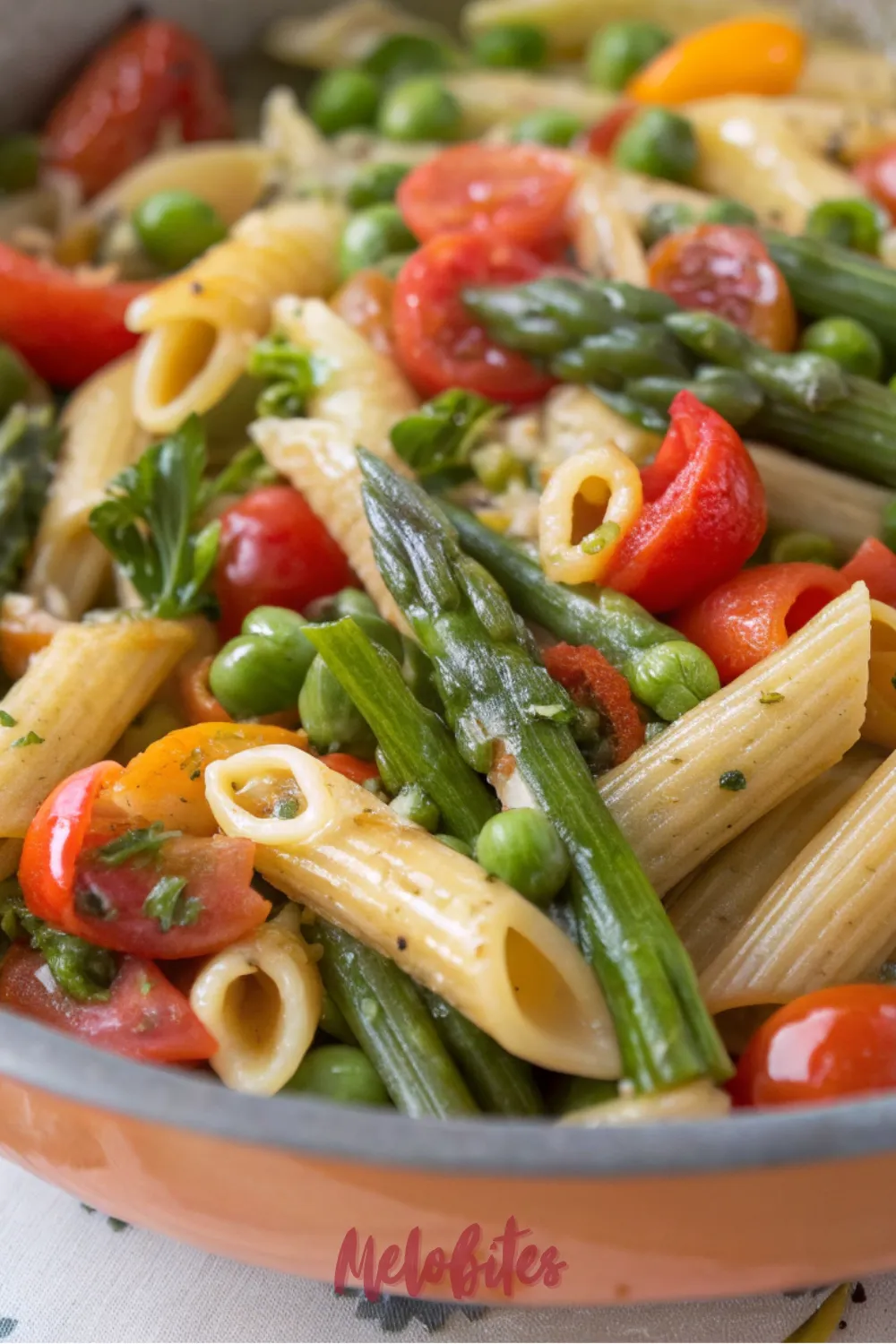
Here is your complete guide to creating a stunning and delicious Pasta Primavera at home. This recipe is designed to be a flexible template, so feel free to play with the vegetables based on what’s in season. Get ready for your new favorite weeknight dinner.
Prep Time: 15 minutes | Cook Time: 20 minutes | Total Time: 35 minutes | Yield: 4-6 servings | Category: Main Course, Pasta | Method: Sautéing | Cuisine: Italian-American | Diet: Vegetarian
Essential Ingredients for Pasta Primavera
- 12 ounces of your favorite short pasta (like penne, farfalle, or rotini)
- 2 tablespoons olive oil
- 1 bunch of asparagus, trimmed and cut into 1-inch pieces
- 1 red bell pepper, chopped
- 3-4 cloves garlic, minced
- 1 cup cherry tomatoes, halved
- 1 cup frozen sweet peas, thawed
- 1/2 cup reserved starchy pasta water
- 1/2 cup grated Parmesan cheese, plus more for serving
- Juice of 1/2 lemon
- 1/4 cup chopped fresh basil or parsley
- Salt and black pepper, to taste
- Pinch of red pepper flakes (optional)
Ingredients Notes
- The Pasta: A short pasta shape with plenty of nooks and crannies, like rotini or farfalle (bowties), is perfect for this dish. These shapes are experts at catching the light sauce and trapping the small pieces of vegetables, ensuring you get a perfect bite every time.
- The Vegetables: The beauty of Primavera is its versatility. This combination provides a wonderful mix of colors, flavors, and textures. Don’t be afraid to substitute with what’s fresh and in season, like zucchini, broccoli florets, or snap peas.
- The Pasta Water: Do not forget this step! Before you drain your pasta, reserve at least a cup of the starchy, salty cooking water. This is the secret ingredient that will bind your sauce together and make it creamy without any cream.
- The Parmesan: For the best flavor and melting texture, always use a wedge of real Parmigiano-Reggiano and grate it yourself. The pre-shredded kind often contains additives that can prevent it from melting smoothly into the sauce.
How to Make Pasta Primavera (Detailed)
- Cook the Pasta: Bring a large pot of heavily salted water to a rolling boil. Add the pasta and cook according to the package directions until it is al dente (firm to the bite). Before draining, carefully scoop out and reserve about 1 cup of the starchy pasta water. Drain the pasta and set it aside.
- Sauté the Heartier Vegetables: While the pasta is cooking, heat the olive oil in a large skillet or Dutch oven over medium-high heat. Add the asparagus pieces and the chopped red bell pepper. Sauté for 4-5 minutes, until they are crisp-tender.
- Add the Aromatics and Softer Veggies: Add the minced garlic to the skillet and cook for one minute more, stirring constantly, until it is fragrant. Add the halved cherry tomatoes and the thawed peas to the skillet. Cook for another 2-3 minutes, just until the tomatoes begin to soften and release some of their juices.
- Bring It All Together: Add the drained pasta to the skillet with the vegetables. Pour in 1/2 cup of the reserved pasta water, the grated Parmesan cheese, and the fresh lemon juice.
- Create the Sauce: Toss everything together continuously over medium heat for 1-2 minutes. The heat and the starch from the pasta water will help the Parmesan melt and create a light, silky sauce that coats everything beautifully. If the sauce seems too thick, add another splash of pasta water until it reaches your desired consistency.
- Finish and Serve: Remove the skillet from the heat. Stir in the fresh chopped basil or parsley. Season generously with salt, black pepper, and a pinch of red pepper flakes, if you like a little heat. Serve immediately, with extra grated Parmesan cheese on top.
Alternative Recipe: One-Pot Creamy Lemon Pasta Primavera
For those nights when you want an even easier cleanup and a slightly richer (yet still light) sauce, this one-pot version is a dream come true. Everything cooks together in a single pot, and a touch of cream cheese at the end creates an incredibly luscious, tangy sauce with minimal effort.
Ingredients for the One-Pot Version:
- 1 tablespoon olive oil
- 3 cloves garlic, minced
- 4 cups vegetable broth
- 12 ounces linguine or fettuccine
- 1 bunch asparagus, cut into 1-inch pieces
- 1 cup frozen peas
- 4 ounces cream cheese, softened and cubed
- 1/2 cup grated Parmesan cheese
- Zest and juice of 1 lemon
- Fresh dill or parsley, for garnish
How to Make It:
- Start the Base: In a large pot or Dutch oven, heat the olive oil over medium heat. Sauté the garlic for 30 seconds until fragrant.
- Cook the Pasta: Pour in the vegetable broth and bring to a boil. Add the uncooked pasta, pushing it down to submerge it in the liquid. Cook for about 6 minutes, stirring occasionally to prevent sticking.
- Add the Veggies: Add the asparagus pieces and peas to the pot with the pasta. Continue to cook for another 3-4 minutes, until the pasta is al dente and most of the liquid has been absorbed.
- Make it Creamy: Remove the pot from the heat. Stir in the cubed cream cheese and the grated Parmesan until they have melted into a smooth, creamy sauce.
- Finish and Serve: Stir in the lemon zest and juice. Season with salt and pepper to taste and serve immediately, garnished with fresh herbs.
Storage Options
Store any leftovers in an airtight container in the refrigerator for up to 3 days. The pasta will absorb some of the sauce as it sits, so the leftovers might be slightly drier than when first served.
To reheat, it’s best to use a skillet over medium-low heat. Add the leftover pasta and a splash of water, broth, or even a little olive oil to help loosen the sauce and bring it back to life. Stir gently until warmed through.
Variations and Substitutions
- Boost the Protein: This dish is a fantastic base for added protein. Toss in some grilled chicken, sautéed shrimp, or a can of rinsed and drained chickpeas for a heartier meal.
- A Splash of Wine: For a more complex flavor, deglaze the pan with a splash of dry white wine (like a Pinot Grigio) after you sauté the garlic and before you add the rest of the vegetables.
- Pesto Power: Stir a large spoonful of your favorite basil pesto into the finished dish for an instant burst of herby, nutty flavor.
- Make It Vegan/Dairy-Free: Simply omit the Parmesan cheese or use a high-quality vegan Parmesan substitute. The pasta water will still create a nice, light sauce on its own.
Practical & Valuable Tips
- Prep First, Cook Second: This dish comes together very quickly. Have all your vegetables chopped and your ingredients measured out before you start cooking. This “mise en place” makes the process smooth and stress-free.
- Blanch for Brilliance: For exceptionally vibrant and perfectly crisp-tender vegetables, you can blanch the asparagus before sautéing. Simply drop it into boiling water for 1-2 minutes, then immediately transfer it to an ice bath to stop the cooking process.
- Salt Your Pasta Water Generously: Don’t be shy when salting your pasta water. It should taste like the sea. This is your only chance to season the pasta itself from the inside out, and it makes a huge difference in the final flavor of the dish.
- Finish with Freshness: Don’t underestimate the power of finishing with fresh herbs and a final squeeze of lemon juice. These bright, fresh notes are what wake up all the other flavors and make the dish truly sing.
Frequently Asked Questions
- What does Primavera actually mean? “Primavera” is the Italian word for “spring.” The dish was named to evoke the fresh, light, and colorful nature of springtime vegetables.
- Can I use frozen vegetables in this recipe? Yes, you can, especially for vegetables like peas or corn. For others like broccoli or bell peppers, they may release more water and have a softer texture than fresh. Add them to the skillet frozen (no need to thaw) and cook for a few extra minutes until they are heated through.
- How do I keep my vegetables from getting soggy? The key is timing and high enough heat. Sauté the harder vegetables first to give them a head start. Keep everything moving in the pan and aim to cook them just until they are crisp-tender, not fully soft. They will continue to cook slightly from the residual heat.
- Is this recipe actually healthy? Absolutely. It is loaded with a wide variety of vegetables, which are packed with fiber, vitamins, and minerals. The sauce is olive oil-based, providing healthy fats, and the entire dish is balanced and satisfying without being heavy.
- What other pasta shapes work well for Pasta Primavera? Almost any shape will work, but the best choices are those that can hold onto the sauce and vegetables. Besides penne and farfalle, consider fusilli, rigatoni, or orecchiette.
This Simple Healthy Pasta Primavera is a perfect example of how fresh, wholesome dinner ideas can also be incredibly delicious and easy.
Bring the vibrant flavors of a garden to your dinner table tonight and see how special a simple weeknight meal can be. Be sure to save this recipe on Pinterest so you always have a splash of springtime ready for any season!




Leave a Comment